Agentic Solutions | Insurance
AI Agents for Insurance: Process Claims in Hours, Not Weeks
Transform Your Insurance Operations with AI. From claims management to AML/KYC automation, Beam AI’s SOC2-ready AI Agents are designed to reduce manual oversight while accelerating the digitization of your insurance capabilities.
Platform Features
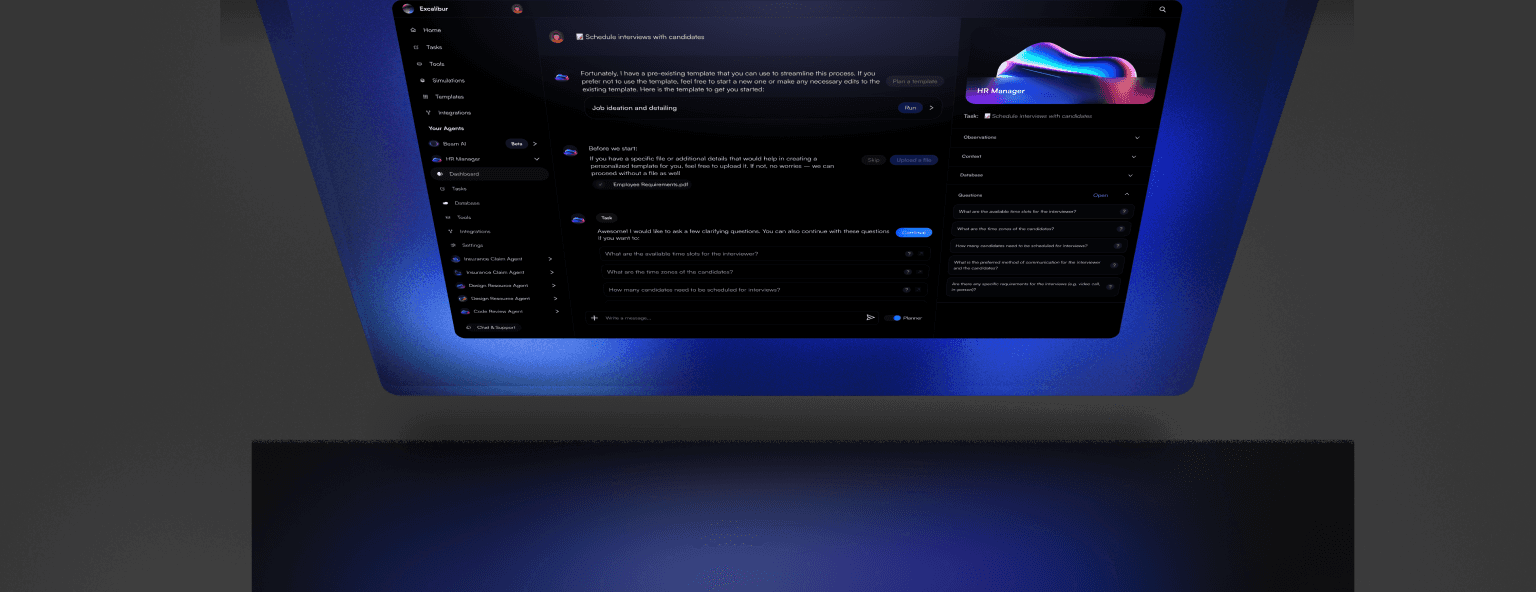
Start Automating Insurance on a Single AI Agent Platform
We see a completely AI-automated future for insurance processes, and we're all-in. Enough about us; this is about you.

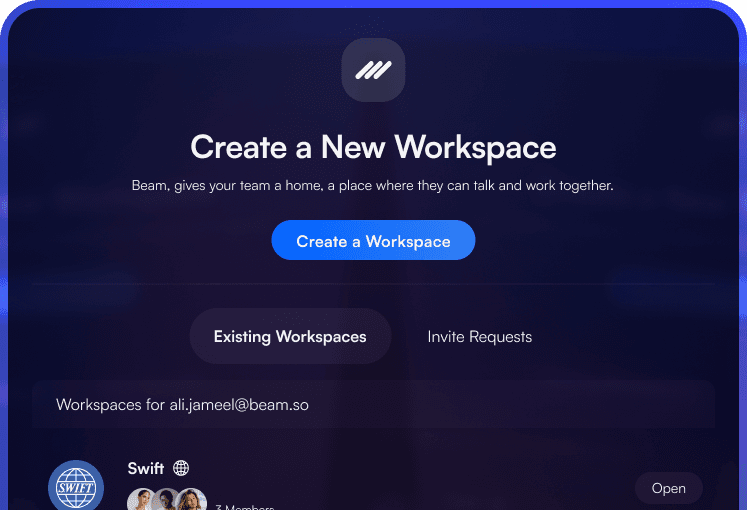
Add Your Team Members Where Necessary
Collaborate with underwriters, brokers, loan processors, and anyone else you need to consult on any given task.




Use Cases
Rewriting Insurance Operations with Agentic Automation
Claims don’t have to crawl. Beam’s AI Agents help insurance teams process high volumes of data, identify issues faster, and reduce turnaround times, all without adding headcount. It’s smarter, faster insurance operations, powered by agents that never slow down.


AI Agents
AI Agents: 24/7 Insurance Specialists, Built-In
Reduce email support reliance and speed up quote turn-around times with pre-trained AI agents for auto insurance MGAs and underwriters. These agents function as AI tools for insurance agents to handle intake, routing, and policy servicing.


Benefits
Delivering Faster Service, Seamless Compliance, at a Fraction of the Cost
Agentic Process Automation is redefining the insurance landscape, ensuring a consistent top-tier customer experience through streamlined claims processing, KYC & AML compliance, and responsive customer service. AI Agents decrease operational overload and sharpens the focus on customer relations while drastically reducing human errors.
Operational 24/7
Crosschannel
Reduce Administrative Errors
Improved Customer Satisfaction
Decrease Operational Costs
Multilingual
<1min
Task Execution Time
70%
Reduction in Operational Costs
95%
Reduction in Human Errors
Integrations
Integrate Your Existing Insurance Toolkit (Guidewire, SAP, DocuSign and More)
Enhance your existing workflows with Beam AI’s integration-ready platform:

Our customers
Automation Reduces the Cost of a Claims Journey by 30%
Tired of slow insurance processes? Discover how other businesses have streamlined their operations for lasting success.














Custom AI Solutions
Tailor-Made AI Insurance Solutions? Say No More
We've got the solutions to help you automate insurance workflows your way.
FAQ
Frequently Asked Questions
Learn the answers to common questions about our AI solutions, tools, and services, helping you understand how they can benefit your business and streamline operations.
How does AI boost business efficiency?
By turning manual steps into AI automation, AI agents for insurance accelerate routine work, surface insights in real time, and shorten cycle times—so teams focus on higher-value decisions.
How do AI Agents streamline insurance operations?
Automation: AI agents automate data entry, policy administration, and claims intake so human teams focus on complex underwriting and customer issues.
Efficiency: AI/agentic workflows remove handoffs, cut processing time, and boost overall operational efficiency for insurance companies and brokers.
Cost reduction: automation plus higher accuracy lowers rework and reduces operational costs across the claims journey.
How do AI Agents enhance customer experience?
AI agents deliver personalized service by analyzing policyholder data to surface tailored recommendations, proactive status updates, and compliant communications. With 24/7 availability, they provide round-the-clock support for inquiries, quotes, claims updates, and policy changes—eliminating wait times. Real-time triage and assisted drafting accelerate quotes and approvals, improving CSAT and NPS.
How do AI Agents improve accuracy and risk management?
Advanced risk assessment: agents aggregate submission data to produce cleaner underwriting files and risk summaries.
Fraud detection: pattern checks and cross-validation flag suspicious claims early to reduce leakage.
Compliance: built-in audit trails support KYC/AML checks and regulatory reporting across lines of business.
What are the key applications of AI Agents in insurance?
Claims processing: FNOL intake, triage, documentation, and settlement support.
Customer service: email/form/CRM triggers route requests; agents draft accurate responses.
Fraud detection: anomaly alerts and evidence packaging for adjusters.
Underwriting: submission ingestion, data extraction, and pre-bind risk summaries.
Personalization: renewal offers and next-best actions per segment.
Which Beam AI Agents are relevant examples for insurance?
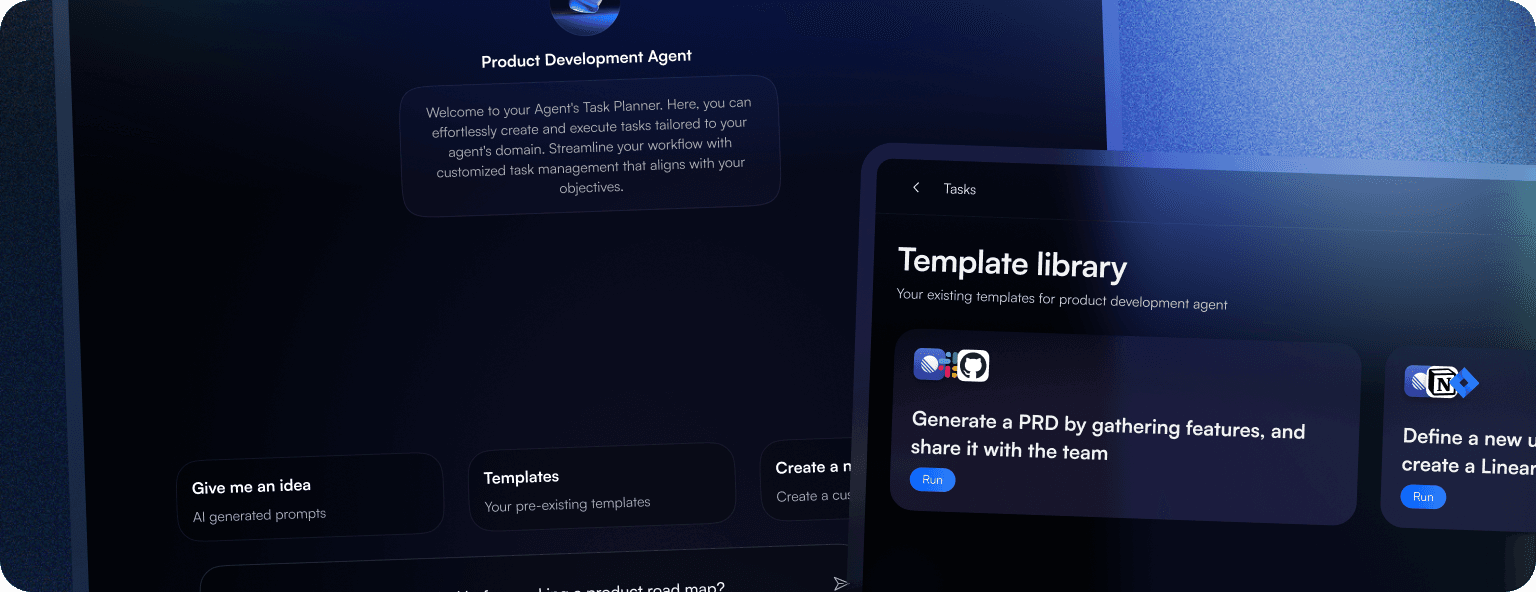
Insurance Claim AI Agent – Automates the claims workflow by managing email communications, verifying claim details against policy rules, assessing incidents, and preparing claimant responses.
Know Your Customer (KYC) Verification AI Agent – Aggregates data from multiple sources, standardizes it, and updates designated systems to streamline KYC checks and onboarding.
Compliance Monitoring AI Agent – Pulls and normalizes data across systems to support ongoing compliance monitoring, audit preparation, and reporting.
Transaction Monitoring Assistant – Integrates with AML systems and financial data sources to monitor transactions and works alongside SAR and compliance agents.
Customer Service AI Agent – Handles a broad range of customer inquiries via email and chat and connects to support stacks (e.g., Zendesk, Intercom, HubSpot) for faster resolution.
These pre-trained AI agents run on Beam’s AI/agentic platform and can integrate with core insurance systems like Guidewire, SAP, and DocuSign.
How does AI marketing for insurance agents work?
Automate renewals and cross-sell outreach, segment policyholders, and personalize communications—keeping approvals and compliance in the loop.
What are the platform features?
At Beam AI, we envision a fully AI-automated future for insurance processes. But this isn’t just about our vision—it’s about enabling your insurance automation to scale.
Seamless integrations: Already using SAP, Guidewire, or DocuSign? Connect your processes to Beam AI and jumpstart agentic automation.
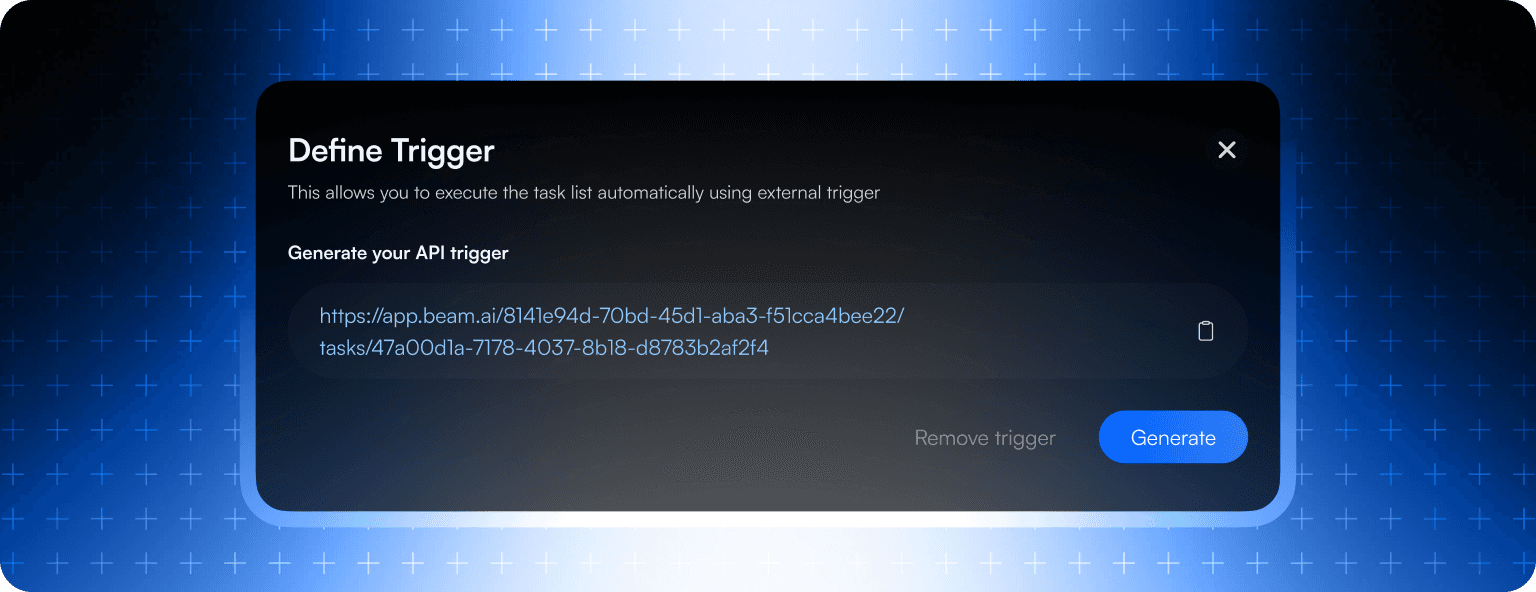
Flexible workflow triggers: Email, forms, or CRM events can start ai/agentic workflows.
Rapid deployment: Pre-trained, insurance-specific AI agents reduce setup time for claims and underwriting.
Collaborative tools: Keep underwriters and processors in the loop with approvals and audit trails.
Flexible deployment: Cloud or on-prem—your choice.
Enterprise-grade security: SOC2-ready controls keep data private and compliant.
What are the use cases within insurance?
Explore how Beam AI’s AI agents optimize operations:
Automated damage assessment: Evaluate and categorize damage with generated reports.
Compliance validation: Automate checks to meet regulatory standards (KYC/AML).
Process review automation: Cross-check data to maintain compliance and produce insights.
Claim handling efficiency: Manage damage reports, streamline communications, and speed resolution.
Underwriting process automation: Automate submission ingestion, data extraction, and risk scoring.
Motor claim management: Extract, verify, assess, and decide on motor damage claims.
Claim request management: Simplify submissions with fast acknowledgments and follow-ups.
What are the key benefits in the insurance industry?
Agentic Process Automation delivers:
Streamlined claims processing: From FNOL to settlement.
Regulatory compliance: Automate KYC and AML.
Improved customer service: AI-driven, responsive support.
Cost efficiency: Lower operating expenses and errors.
Scalability: Adapt rapidly as volumes grow.