Platforms
Beam AI vs Zapier

Choosing between Beam AI and Zapier comes down to what you’re actually trying to automate. Beam AI vs Zapier is essentially agentic workflows and AI Agents on a unified, enterprise-ready platform versus classic no-code app connectors built for deterministic triggers and actions. If you’re standardizing across many processes with reasoning, tool use, and governance, an agentic platform will feel very different from “Zaps”. If you mainly need reliable app-to-app automation with prebuilt connectors, Zapier remains a strong fit.
Comparison
What Is the Key Difference Between Zapier and Beam AI?
At a glance, both help you automate work. The core distinction is paradigm: Zapier orchestrates app events; Beam AI operationalizes AI agents that reason, decide, and execute across your systems.
Zapier: A no-code automation platform best known for its “Zaps” that connect thousands of SaaS apps with triggers, actions, and filters. It sits squarely in the iPaaS/no-code ecosystem and offers team and enterprise plans.
Beam AI: An agentic platform to build, deploy, and govern AI agents across real business processes. Beam’s AI Agents combine tools, integrations, data sources, and policies to deliver outcomes, moving beyond linear workflows to agentic automation.
Capabilities
Capabilities Of Both Platforms
Below is a pragmatic lens to compare how each platform helps teams plan, build, run, and improve automations in production.
Building and Operating AI
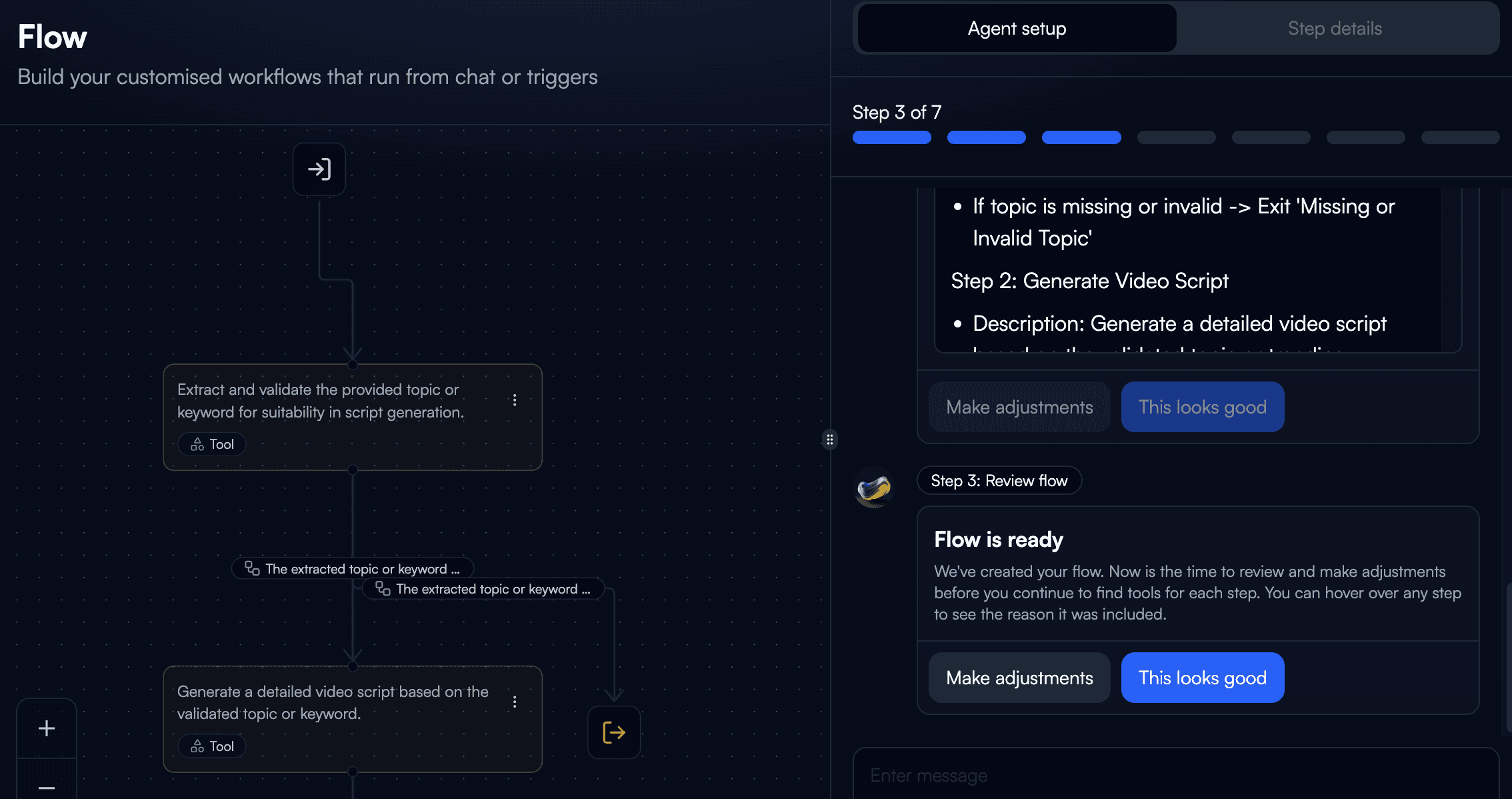
Zapier excels at building deterministic flows with triggers, multistep actions, branching (“Paths”), and a large app catalog. You prototype quickly without code and hand off to ops. For agentic behavior, Zapier now offers AI features, but its center of gravity is still event-driven integrations.
Beam AI focuses on agentic workflows where AI agents can reason over context, call tools, and coordinate subtasks. You deploy agents to own processes end-to-end, with centralized policy, evaluation, and operations.
Improvement over Time
Zapier offers versioning and task history at the workflow level, so teams can iterate on Zaps as needs change. Observability focuses on task runs, errors, and retries.
Beam AI is designed for continuous improvement of AI agents, capturing telemetry, enabling evaluation loops, and updating tools or policies so performance and reliability rise over time within the same agentic platform.

Integrations and Ecosystem
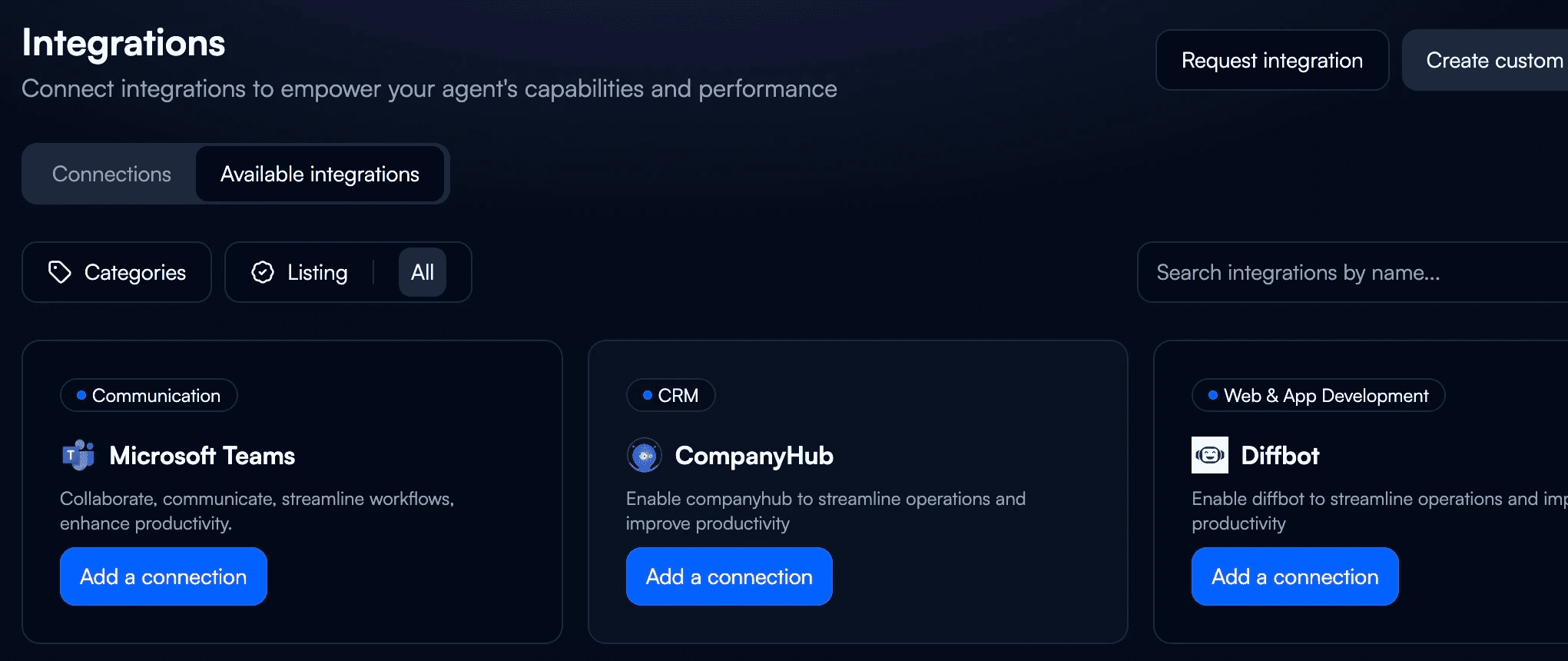
Zapier’s advantage is breadth: thousands of app integrations so you can connect mainstream SaaS with minimal setup.
Beam AI provides a growing integrations library oriented around AI automation in core systems like CRM, support, commerce, and more, so agents can act where your data lives.
Time to First Deployment
Zapier offers quick onboarding, templates, and a familiar flow-builder, so you can ship a working Zap in minutes.
Beam AI streamlines first deployment for agentic use cases with opinionated building blocks for tools, policies, and evaluation, so an initial agent can go live quickly and then scale across adjacent processes.

Security and Compliance
Zapier publishes enterprise security details (SOC 2 Type II/SOC 3, encryption, GDPR/CCPA alignment, SSO options) and provides documentation for governance at scale. Note that Zapier disclosed a 2025 incident involving unauthorized access to certain code repositories; production systems were reportedly unaffected, but some customer information copied for debugging may have been accessed.
Beam AI centralizes oversight for AI agents, with documented encryption standards and incident handling, supporting auditability and data handling expectations for enterprise teams. Further details are outlined on the Beam AI security page.
Pricing
Pricing Overview: Beam AI vs. Zapier
Zapier uses fixed tiers (Free, Professional, Team, Enterprise) with plan limits tied to tasks, users, and advanced features. This model is predictable but can scale costs with task volume.
Beam AI evaluates each use case individually, so customers pay for what they actually use. That aligns with agentic automation, where workloads, models, and integrations vary by process and ROI is measured per outcome rather than per generic task. Keep in mind, the exact commercial model depends on scope and requirements.
Usage
Pay according to the number of tokens you consume; makes it easy to scale usage.

Custom
Know your usage, task frequency and volume? Create your bespoke plan with our help..

Comparison
Which Platform Fits Your Workflow?
If your goal is to connect popular apps quickly with deterministic, event-driven steps, choose Zapier. It’s ideal for teams standardizing simple to moderately complex app automations without engineering lift.
If you need AI automation that reasons over data, invokes tools, enforces policies, and improves as it runs, across multiple processes, choose Beam AI’s agentic platform. You’ll operationalize AI agents with governance and observability built in, then scale from one process to many using the same foundation.