
Finanzas
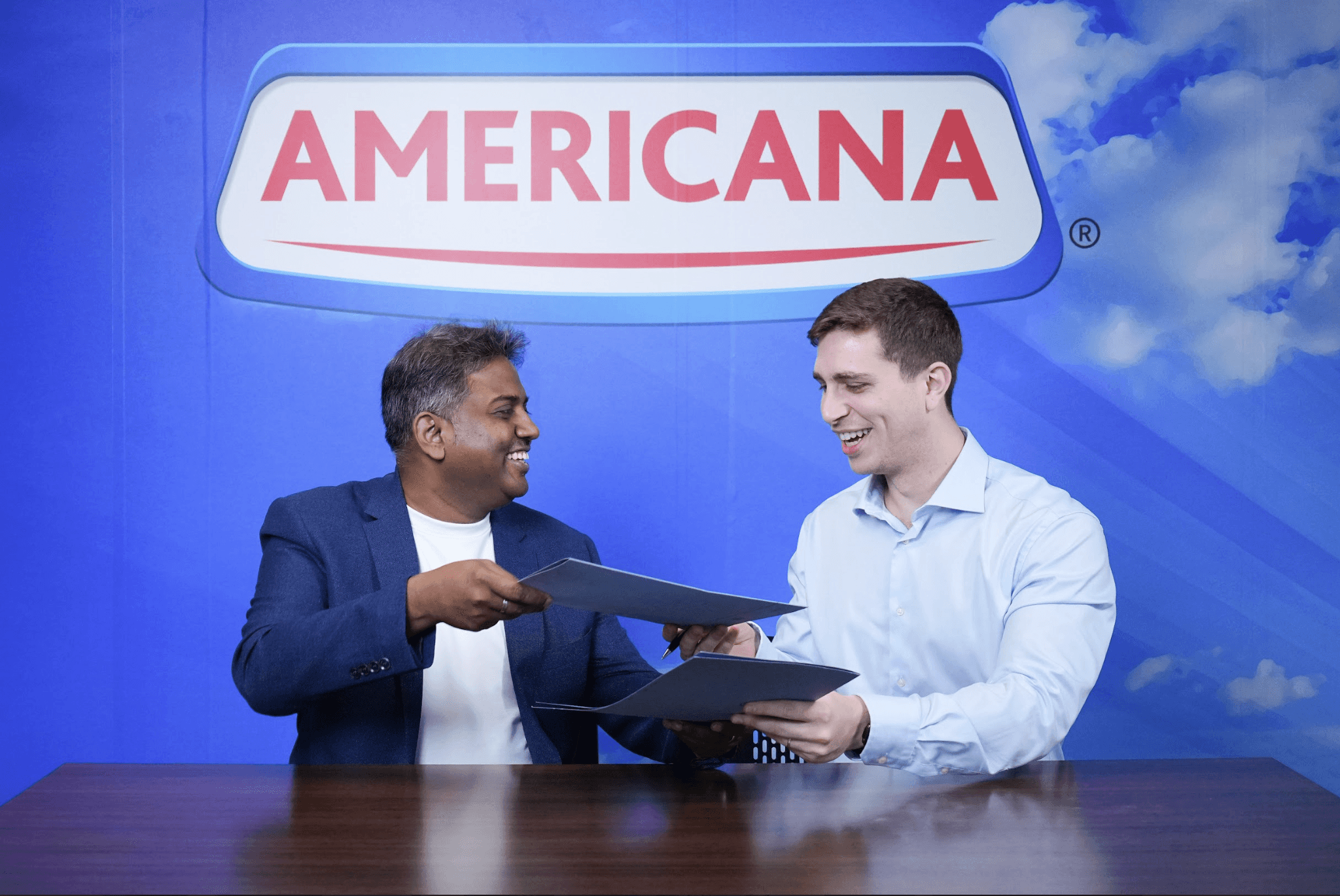
Cómo Americana Foods integró un agente de IA, presentado a toda la compañía como un miembro más del equipo, para automatizar el cierre rápido (flash reporting), el análisis de variaciones y los resúmenes financieros listos para la dirección en toda su división de alimentación.
El problema de fondo del que nadie habla
Los equipos financieros de las grandes corporaciones se enfrentan a un coste invisible en cada ciclo de reporte: el tiempo dedicado a la recopilación de datos.
En Americana Foods, una empresa líder de alimentación que opera en múltiples mercados y categorías de la región desde los años 60, las cifras reflejaban una situación común. Los informes flash mensuales se consolidaban manualmente entre distintas unidades de negocio y geografías. Las explicaciones de variaciones se elaboraban en Excel, un proceso que requería días en cada ciclo y mostraba disparidad de criterios según la región. A esto se sumaba un ERP Oracle local heredado con una antigüedad de 20 a 30 años, sin APIs externas, donde cada reporte se generaba navegando por pantallas manuales.
El equipo de FP&A invertía la mayor parte del tiempo en preparar y formatear datos en lugar de realizar análisis estratégicos.
«Antes enviábamos correos de recordatorio manualmente, consolidábamos múltiples entradas de datos y redactábamos los informes para el CFO», explica el equipo. Los analistas estaban atrapados en funciones operativas de recopilación: reclamar datos, dar formato a informes y redactar comentarios manualmente en cada periodo.
La respuesta habitual del sector siempre ha sido asumir que los equipos financieros actúan como líneas de ensamblaje de datos, aceptando una pérdida de capacidad analítica a cambio de mayor velocidad.
Americana decidió no conformarse con esa realidad.
«Queríamos ser más proactivos en nuestra toma de decisiones»
El área de Servicios Compartidos y Excelencia de Negocio de Americana —el centro de excelencia de la compañía para la eficiencia operativa, estandarización y transformación— había evolucionado con éxito hacia la excelencia de negocio. El siguiente paso estratégico era evidente: pasar de un modelo de reporte reactivo a una toma de decisiones proactiva.
«Ahí fue cuando decidimos que debíamos implantar agentes de IA», afirma Praveen Jagadeesan, director de Excelencia de Negocio. «Los agentes de IA han acelerado notablemente nuestra agenda de transformación».
Sin embargo, no buscaban una relación convencional con proveedores. Americana necesitaba un socio estratégico capaz de integrar la IA en sus procesos actuales, no un proveedor que vendiera una solución estándar y se desentendiera del proyecto.
Empezar con un objetivo claro. Demostrar el valor. Escalar después.
En lugar de plantear una transformación financiera global desde el inicio, Beam propuso comenzar con un caso de uso específico y de alto impacto: el cierre rápido mensual (flash reporting).
Este enfoque práctico consistió en desarrollar un agente de IA que gestionara las tareas repetitivas del ciclo: recopilación de información, seguimiento, avisos de retraso, consolidación y elaboración de los comentarios para el reporte del CFO. Tras validar el éxito del caso de uso, se procedería a su ampliación.
El agente de IA se implementó en producción en menos de 30 días.
«El enfoque de Beam fue sumamente colaborativo e innovador», destaca Sangeeta, Directora Sénior de Excelencia de Negocio y Servicios Compartidos. «Dedicaron tiempo a entender nuestros procesos en detalle, colaboraron estrechamente con los usuarios finales y adaptaron la solución con agilidad según el feedback recibido, algo poco habitual en los proyectos de consultoría tradicionales».
Presentamos a Anova: el agente de IA con puesto, responsable y fecha de incorporación
En este punto, Americana adoptó una iniciativa innovadora que marcó la diferencia frente a cualquier otro proyecto de despliegue de IA.
Anunciaron la incorporación del agente de IA, bautizado como Anova, a toda la plantilla mediante un comunicado oficial. Anova fue presentado formalmente como un nuevo miembro del equipo, con un puesto asignado, una responsable directa y una fecha de inicio oficial.
«Asignar a Anova un rol, una responsable y una fecha de incorporación fue clave», señala Praveen. «Generó una gran transparencia, facilitó la confianza, impulsó la adopción por parte del equipo, reforzó la responsabilidad compartida y humanizó la tecnología».
No se trató de una acción de marketing interno, sino de una estrategia de gestión del cambio planificada.
«La inteligencia emocional desempeña un papel fundamental cuando buscamos humanizar la tecnología», explica Praveen. «Además, demostró el compromiso de la dirección para integrar la IA de forma natural en las operaciones del día a día».
Amina Hakkim, del equipo de FP&A, asumió la supervisión directa de Anova, trabajando codo con codo con el agente desde el primer día.
Los resultados en cifras
Métrica | Impacto |
|---|---|
Horas de trabajo ahorradas al año | 728 (equivalente a liberar 18 semanas de trabajo de un analista) |
Plazo de despliegue del primer agente | <30 días |
Estructuración automatizada de informes | 80-90% completado antes de la revisión humana |
Tiempo de adaptación hasta la confianza plena | 3 meses |
Plazo de expansión a nuevas áreas | 4 meses |
Un ahorro de 18 semanas de trabajo al año por analista. Este resultado no se obtuvo reduciendo la calidad del análisis, sino eliminando las tareas repetitivas de desarrollo para que el equipo pudiera centrarse en funciones estratégicas y de asesoramiento a la dirección.
Del procesamiento de datos al análisis estratégico
El cambio más relevante no residió en las cifras, sino en la transformación del rol profesional.
«La mayor evolución se ha producido en el cierre rápido mensual», comenta Amina. «Actualmente, Anova gestiona la recopilación de datos, el seguimiento, los avisos, la consolidación y la redacción del borrador del informe financiero. En lugar de dedicar horas a dar formato al reporte, ahora puedo centrar mi atención en validar las conclusiones clave».
El equipo ha dejado de perseguir datos y estructurar tablas de Excel para centrarse en revisar resúmenes generados por IA que incorporan explicaciones de variaciones, propuestas de medidas correctoras y clasificación de alertas por nivel de criticidad. El resultado son informes validados listos para la dirección (human-in-the-loop), donde el analista supervisa y confirma los datos antes de que lleguen a los comités ejecutivos.
«El verdadero valor diferencial ha sido pasar de un rol puramente operativo a uno de consultoría estratégica interna», afirma Amina.
La curva de madurez: de la fase de pruebas a una organización con IA
El caso de éxito de Americana destaca especialmente por la forma estructurada en que se consolidó la confianza en el sistema:
Meses 1 y 2 (Modo Evaluación): Anova operó en paralelo con el equipo de analistas. Los resultados del agente se contrastaron minuciosamente con el trabajo manual tradicional, asegurando la verificación de cada entregable.
Mes 3 (Co-pilot): El equipo adoptó la información generada por Anova como base de partida para la elaboración de todos los reportes, respaldado por la alta calidad técnica demostrada.
Mes 4 en adelante (Autónomo): Anova comenzó a identificar variaciones y patrones de datos entre diferentes países que antes pasaban desapercibidos en los procesos manuales.
Fase de Expansión (Departamento de IA): Americana está integrando una división de IA estructurada que colabora de forma paralela con el equipo humano. Actualmente operan múltiples agentes en las áreas de FP&A, Inteligencia de Mercado y Recursos Humanos, gestionados bajo un modelo unificado de plataforma y licenciamiento.
«Nuestra visión consiste en escalar el despliegue de la IA desde casos de uso específicos hacia un modelo estructurado de fuerza de trabajo digital en todas las áreas corporativas», señala Praveen. «El objetivo final es que la IA sea un componente esencial del entorno operativo diario».
«No lo percibimos como una relación comercial con un proveedor, sino como un proyecto de colaboración estratégica»
El éxito del proyecto no dependió en exclusiva de la tecnología, sino de la solidez de la alianza.
«La colaboración con el equipo de Beam ha sido excelente desde el inicio de la implantación», resalta Amina. «No se sintió como una contratación de software al uso; la relación fue de auténtico partner tecnológico».
Beam se integró activamente en los procesos internos de Americana para definir los flujos de trabajo, identificar ineficiencias recurrentes y estudiar la dinámica de reporte antes de iniciar el desarrollo técnico.
«No se limitaron a desarrollar un agente de IA sin más, sino que lo adaptaron al detalle a nuestra operativa», explica Amina. «Destacaría su metodología estructurada, su capacidad de respuesta y su orientación real al desarrollo de capacidades internas a largo plazo. Lo que más valoramos es que nos están capacitando para que podamos construir de forma autónoma nuestros propios agentes para nuevos casos de uso. Es un verdadero proceso de transferencia tecnológica».
Esa es la diferencia clave: un proveedor convencional suministra una herramienta informática; un partner tecnológico desarrolla capacidades estratégicas para el negocio.
El impacto estratégico para el departamento financiero corporativo
Para las organizaciones que gestionan áreas financieras globales y de gran escala, el reto tecnológico real no reside en la adquisición de soluciones de IA genéricas.
La dificultad estratégica se encuentra en identificar un socio tecnológico capaz de integrar modelos de inteligencia artificial en procesos consolidados, con especial complejidad cuando dependen de herramientas locales e infraestructuras ERP tradicionales sin conectividad API, distribuidas en diferentes delegaciones internacionales y que requieren la máxima precisión para la toma de decisiones del CFO y del Consejo de Administración.
Americana Foods confió en Beam para liderar este proceso. Los resultados confirman el éxito: transformación del perfil de los analistas hacia el rol de consultores estratégicos, reportes financieros de dirección listos en minutos en lugar de días, recuperación de 18 semanas de capacidad analítica al año y la creación de una división operativa de IA que se expande por las áreas de FP&A, Inteligencia de Mercado y Recursos Humanos.
«Adoptar la IA a escala global implica un cambio cultural enfocado hacia la innovación y la agilidad de los procesos», concluye Praveen. «La transformación tecnológica no es exclusiva de las compañías del sector puramente digital. Las empresas corporativas tradicionales también pueden integrar la IA con éxito para optimizar de forma integral sus operaciones y mejorar su posicionamiento competitivo».