المنصات
Beam AI مقابل Zapier

إن الاختيار بين Beam AI و Zapier يعتمد على ما تحاول فعلاً أتمتته. Beam AI مقابل Zapier يتعلق بشكل أساسي بسير العمل الوكيل والوكالات الذكية على منصة موحدة جاهزة للمؤسسات مقابل موصلات التطبيقات الكلاسيكية التي لا تحتاج إلى ترميز والمبنية لأجل المحفزات والإجراءات الحتمية. إذا كنت تقوم بتوحيد العديد من العمليات مع التعليل، واستخدام الأدوات، والحكم، فإن منصة الوكلاء ستشعر بأنها مختلفة تمامًا عن "Zaps". إذا كنت تحتاج بشكل أساسي إلى أتمتة موثوقة من تطبيق إلى آخر باستخدام موصلات مدمجة مسبقًا، فإن Zapier يظل خيارًا قويًا.
مقارنة
ما هو الفرق الأساسي بين Zapier و Beam AI؟
من النظرة الأولى، كلاهما يساعدك على أتمتة العمل. التمييز الأساسي هو النموذج: يقوم Zapier بتنظيم أحداث التطبيقات؛ بينما تقوم Beam AI بتنفيذ وكلاء الذكاء الاصطناعي الذين يستنتجون ويقررون وينفذون عبر أنظمتك.
Zapier: منصة أتمتة بدون كود معروفة بأدواتها التي تربط آلاف التطبيقات باستخدام المشغلات والإجراءات والمرشحات. يقع تماماً في نظام iPaaS/بدون كود ويوفر خططاً للفرق والمشاريع الكبرى.
Beam AI: منصة وكيلة لبناء ونشر وإدارة وكلاء الذكاء الاصطناعي عبر عمليات الأعمال الحقيقية. تجمع وكلاء الذكاء الاصطناعي لـ Beam بين الأدوات والتكاملات ومصادر البيانات والسياسات لتحقيق النتائج، متجاوزين تدفقات العمل الخطية إلى أتمتة وكلائية.
القدرات
قدرات كلا المنصتين
فيما يلي منظور عملي لمقارنة كيفية مساعدة كل منصة الفرق في التخطيط والبناء وتشغيل وتحسين الأتمتة في الإنتاج.
بناء وتشغيل الذكاء الاصطناعي
Zapier يتفوق في بناء التدفقات الحتمية مع المحفزات والإجراءات متعددة الخطوات والتفرعات ("المسارات") وكتالوج التطبيقات الكبير. يمكنك إنشاء نماذج بسرعة دون الحاجة إلى البرمجة وتسليمها للعمليات. بالنسبة للسلوك الوكيل، توفر Zapier الآن ميزات الذكاء الاصطناعي، لكن مركز الجاذبية الخاص بها لا يزال على التكاملات المدفوعة بالأحداث.
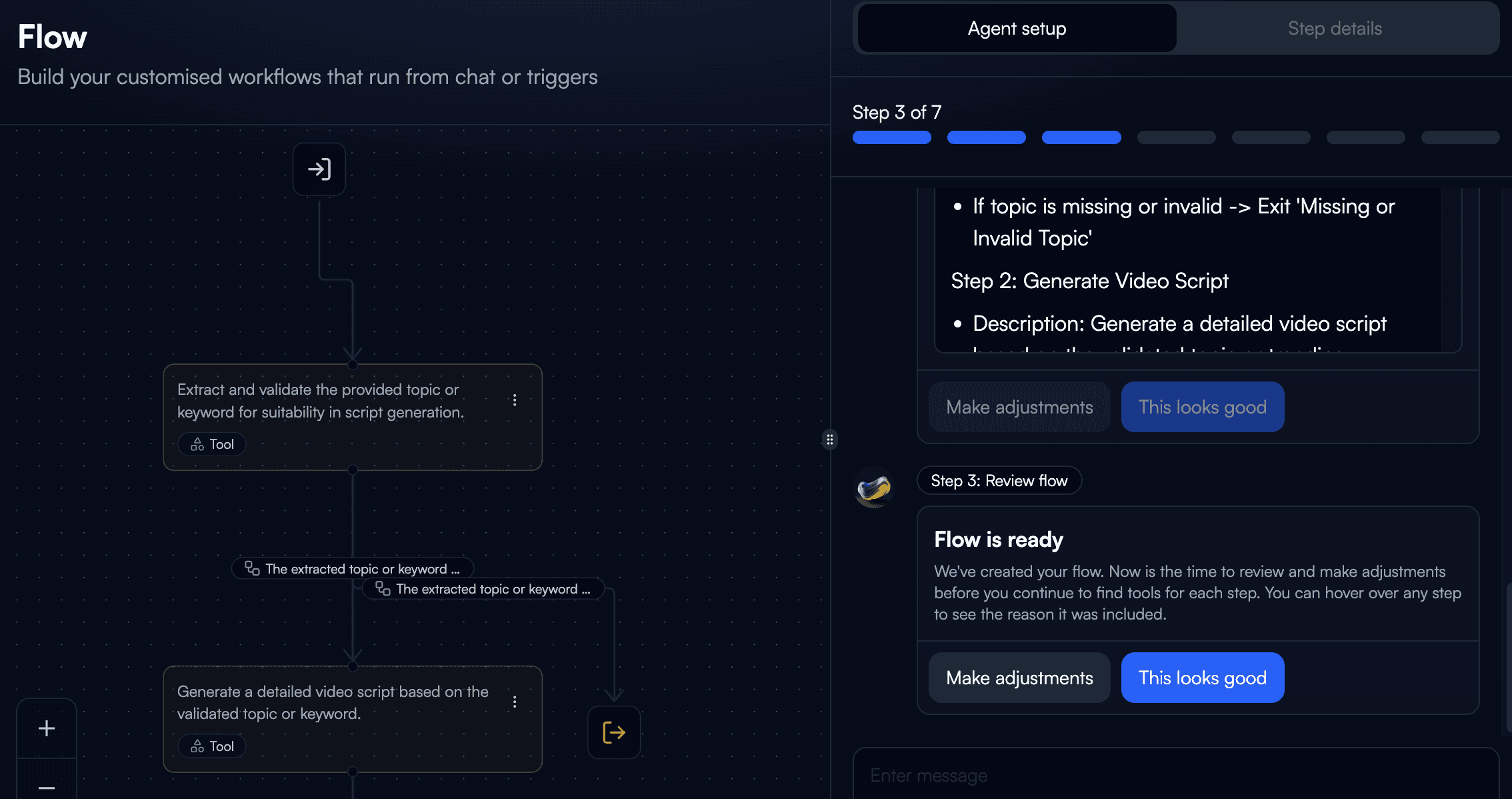
Beam AI تركز على التدفقات الوكيلة حيث يمكن للوكلاء الذكاء الاصطناعي التفكير في السياق واستخدام الأدوات والتنسيق بين المهام الفرعية. تقوم بنشر الوكلاء لتولي العمليات بالكامل، مع سياسة مركزية، التقييم، والعمليات.
تحسين مع مرور الوقت
Zapier يقدم إصدارات ومؤرخات للمهمات على مستوى سير العمل، بحيث يمكن للفرق تحسين Zaps تماشياً مع احتياجاتهم المتغيرة. يركز المراقبة على تشغيل المهمات، الأخطاء، والمحاولات المتكررة.
Beam AI مصمم للتحسين المستمر لوكلاء الذكاء الاصطناعي، حيث يلتقط البيانات التليمترية، ويمكّن من حلقات التقييم، وتحديث الأدوات أو السياسات بحيث ترتفع الأداء والموثوقية بمرور الوقت داخل نفس المنصة العاملية.

التكامل والنظام البيئي
ميزة Zapier تكمن في نطاقه الواسع: آلاف من تكاملات التطبيقات حتى تتمكن من ربط SaaS السائد بأقل إعداد.
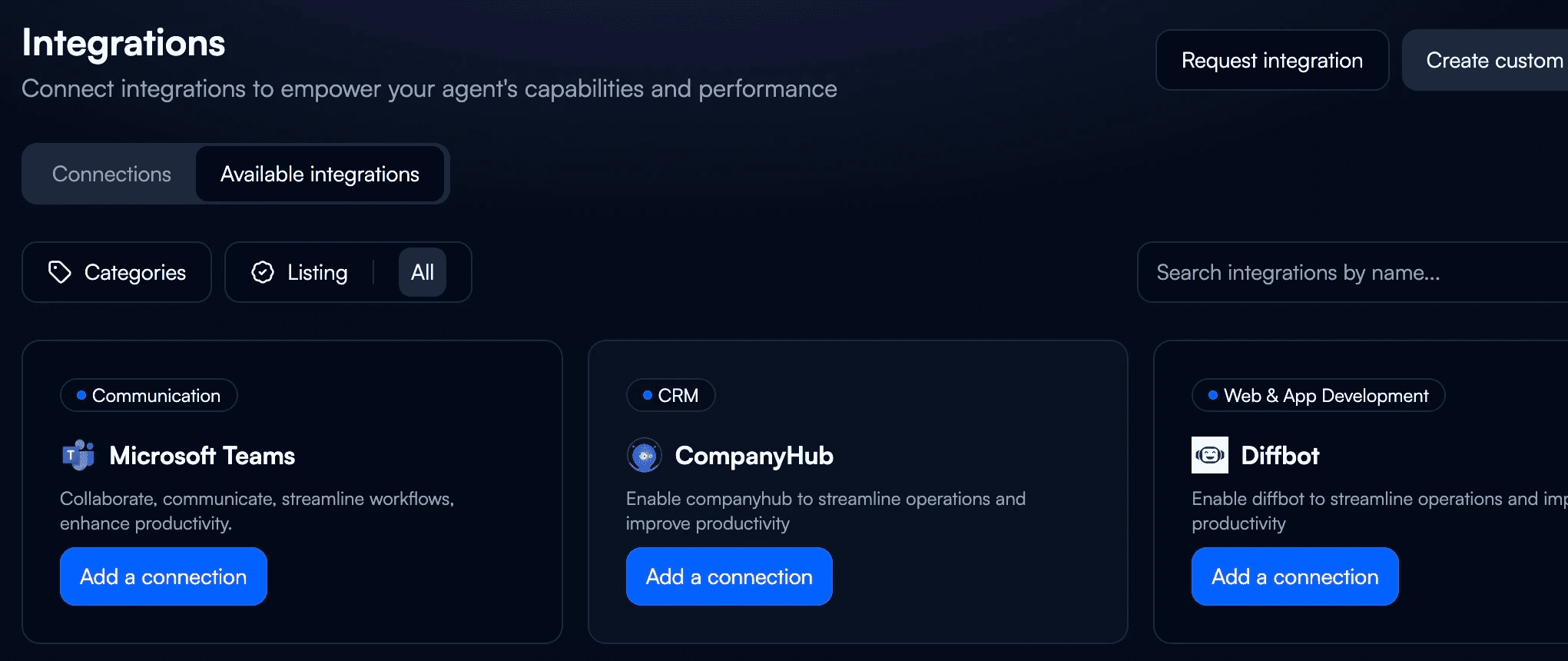
Beam AI تقدم مكتبة تكاملات متزايدة حول أتمتة الذكاء الاصطناعي في الأنظمة الأساسية مثل إدارة علاقات العملاء، الدعم، التجارة، والمزيد، حتى يتمكن الوكلاء من العمل حيث توجد بياناتك.
الوقت حتى أول نشر
Zapier يوفر عملية إعداد سريعة، ونماذج، وبناء تدفق مألوف، حتى تتمكن من إطلاق Zap تعمل في غضون دقائق.
Beam AI يُبسط النشر الأول لحالات الاستخدام الوكالية مع اللبنات الأساسية لأدوات وسياسات وتقييمات محددة، مما يسمح للوكيل الأول بالعمل بسرعة ثم التوسع عبر العمليات المجاورة.

الأمان والامتثال
Zapier تنشر تفاصيل الأمان للمؤسسات (SOC 2 Type II/SOC 3، التشفير، التوافق مع GDPR/CCPA، خيارات SSO) وتوفر وثائق للحوكمة على نطاق واسع. لاحظ أن Zapier قد كشفت عن حادثة وقعت في عام 2025 تتعلق بالوصول غير المصرح به إلى مستودعات برمجية معينة؛ لم تتأثر الأنظمة الإنتاجية كما هو مفترض، ولكن قد تم الوصول إلى بعض معلومات العملاء التي تم نسخها لأغراض التصحيح.
Beam AI مركزة الإشراف على وكلاء الذكاء الاصطناعي، مع معايير تشفير موثقة وتعامل مع الحوادث، مما يدعم القابلية للتدقيق وتوقعات التعامل مع البيانات لفرق المؤسسات. يتم توضيح المزيد من التفاصيل على صفحة الأمان الخاصة بـ Beam AI.

التسعير
نظرة عامة على التسعير: Beam AI مقابل Zapier
Zapier تستخدم مستويات ثابتة (مجانية، احترافية، فريق، مؤسسة) مع حدود الخطط المرتبطة بالمهام، المستخدمين، والميزات المتقدمة. هذا النموذج يمكن التنبؤ به ولكنه يمكن أن يزيد التكاليف مع حجم المهام.
Beam AI تقيم كل حالة استخدام بشكل فردي، بحيث يدفع العملاء مقابل ما يستخدمونه فعلياً. ذلك يتماشى مع الأتمتة العاملية، حيث تختلف أحمال العمل، والنماذج، والتكاملات تبعاً للعملية ويتم قياس العائد على الاستثمار لكل نتيجة بدلاً من كل مهمة عامة. تذكر، أن النموذج التجاري الدقيق يعتمد على النطاق والمتطلبات.
الاستخدام
ادفع حسب عدد الرموز التي تستهلكها؛ مما يجعل من السهل زيادة الاستخدام.
٩٩٠ دولارًا / شهر

مخصص
هل تعرف استخدامك وتكرار المهام وحجمها؟ أنشئ خطتك الخاصة بمساعدتنا.
١٩٩٠ دولارًا أمريكيًا/شهريًا

مقارنة
أي منصة تناسب سير عملك؟
إذا كان هدفك هو ربط التطبيقات الشائعة بسرعة باستخدام خطوات حتمية وموجهة بالأحداث، اختر Zapier. إنه مثالي للفرق التي تقوم بتوحيد أتمتة التطبيقات البسيطة إلى المتوسطة بدون متطلبات هندسية.
إذا كنت تحتاج إلى أتمتة الذكاء الاصطناعي التي تستند إلى البيانات، وتستدعي الأدوات، وتفرض السياسات، وتحسن من عملها، عبر عمليات متعددة، اختر منصة Beam AI الذكية. ستتمكن من تشغيل الوكلاء الذكيين مع الحوكمة والرؤية مدمجة، ثم التوسع من عملية واحدة إلى العديد باستخدام نفس الأساس.