Caso práctico
Beam AI frente a Zapier

Elegir entre Beam AI y Zapier se reduce a lo que realmente estás tratando de automatizar. Beam AI frente a Zapier es esencialmente flujos de trabajo agénticos y agentes de IA en una plataforma unificada lista para empresas, en contraste con los conectores de aplicaciones sin código clásicos, diseñados para disparadores y acciones deterministas. Si estás estandarizando procesos con razonamiento, uso de herramientas y gobernanza, una plataforma agéntica se sentirá muy diferente de “Zaps”. Si principalmente necesitas una automatización fiable de app a app con conectores preconstruidos, Zapier sigue siendo una opción relevante.
Caso práctico
¿Cuál es la diferencia clave entre Zapier y Beam AI?
A primera vista, ambos te ayudan a automatizar el trabajo. La distinción principal es el paradigma: Zapier orquesta eventos de aplicaciones; Beam AI operacionaliza agentes de IA que razonan, deciden y ejecutan en todos tus sistemas.
Zapier: Una plataforma de automatización sin código conocida por sus “Zaps” que conectan miles de aplicaciones SaaS con desencadenantes, acciones y filtros. Se ubica firmemente en el ecosistema iPaaS/sin código y ofrece planes para equipos y empresas.
Beam AI: Una plataforma agéntica para construir, desplegar y gobernar agentes de IA en procesos empresariales reales. Los Agentes de IA de Beam combinan herramientas, integraciones, fuentes de datos y políticas para ofrecer resultados, yendo más allá de los flujos de trabajo lineales hacia la automatización agéntica.
Caso práctico
Capacidades de ambas plataformas
A continuación, se presenta un enfoque pragmático para comparar cómo cada plataforma ayuda a los equipos a planificar, construir, ejecutar y mejorar las automatizaciones en producción.
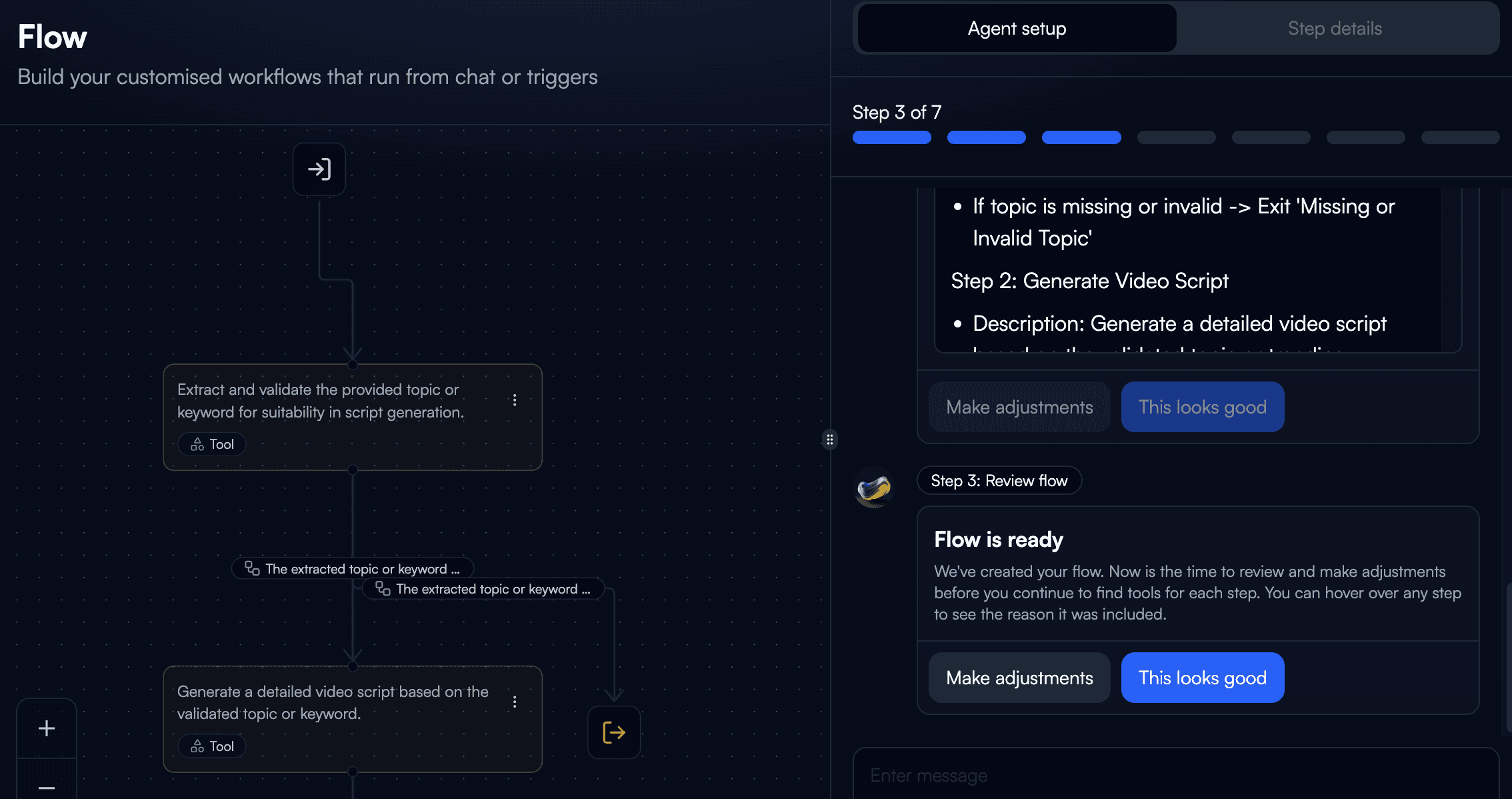
Desarrollo y Operación de IA
Zapier destaca en la creación de flujos deterministas con disparadores, acciones de múltiples pasos, ramificaciones (“Paths”) y un amplio catálogo de aplicaciones. Puedes crear prototipos rápidamente sin código y pasarlos a operaciones. Para el comportamiento agéntico, Zapier ahora ofrece funciones de IA, pero su centro de gravedad sigue siendo las integraciones impulsadas por eventos.
Beam AI se centra en flujos de trabajo agénticos donde los agentes de IA pueden razonar sobre el contexto, utilizar herramientas y coordinar subtareas. Despliegas agentes para gestionar procesos de principio a fin, con políticas centralizadas, evaluación y operaciones.
Mejora con el tiempo
Zapier ofrece versionado e historial de tareas a nivel de flujo de trabajo, para que los equipos puedan iterar en Zaps a medida que cambian las necesidades. La observabilidad se centra en las ejecuciones de tareas, errores y reintentos.
Beam AI está diseñado para la mejora continua de los agentes de IA, capturando telemetría, habilitando bucles de evaluación y actualizando herramientas o políticas para que el rendimiento y la fiabilidad aumenten con el tiempo dentro de la misma plataforma agéntica.

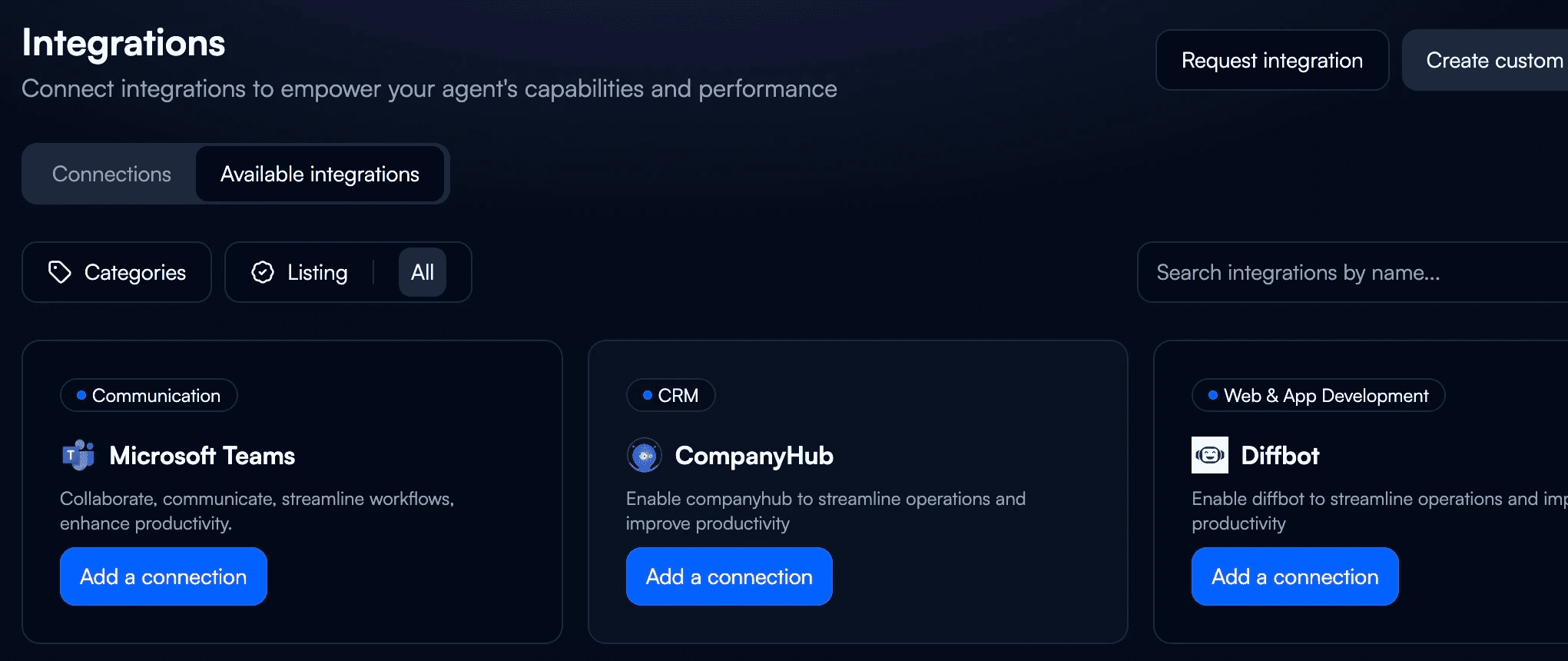
Integraciones y Ecosistema
La ventaja de Zapier es su amplitud: miles de integraciones de aplicaciones para que puedas conectar aplicaciones SaaS mainstream con una configuración mínima.
Beam AI ofrece una creciente biblioteca de integraciones orientada a la automatización de IA en sistemas centrales como CRM, soporte, comercio, y más, para que los agentes puedan actuar donde reside tu información.
Tiempo hasta el Primer Despliegue
Zapier ofrece una rápida incorporación, plantillas y un constructor de flujo familiar, para que puedas lanzar un Zap funcional en minutos.
Beam AI agiliza la primera implementación para casos de uso de agentes con bloques de construcción opinados para herramientas, políticas y evaluación, de modo que un agente inicial pueda estar operativo rápidamente y luego expandirse a procesos adyacentes.

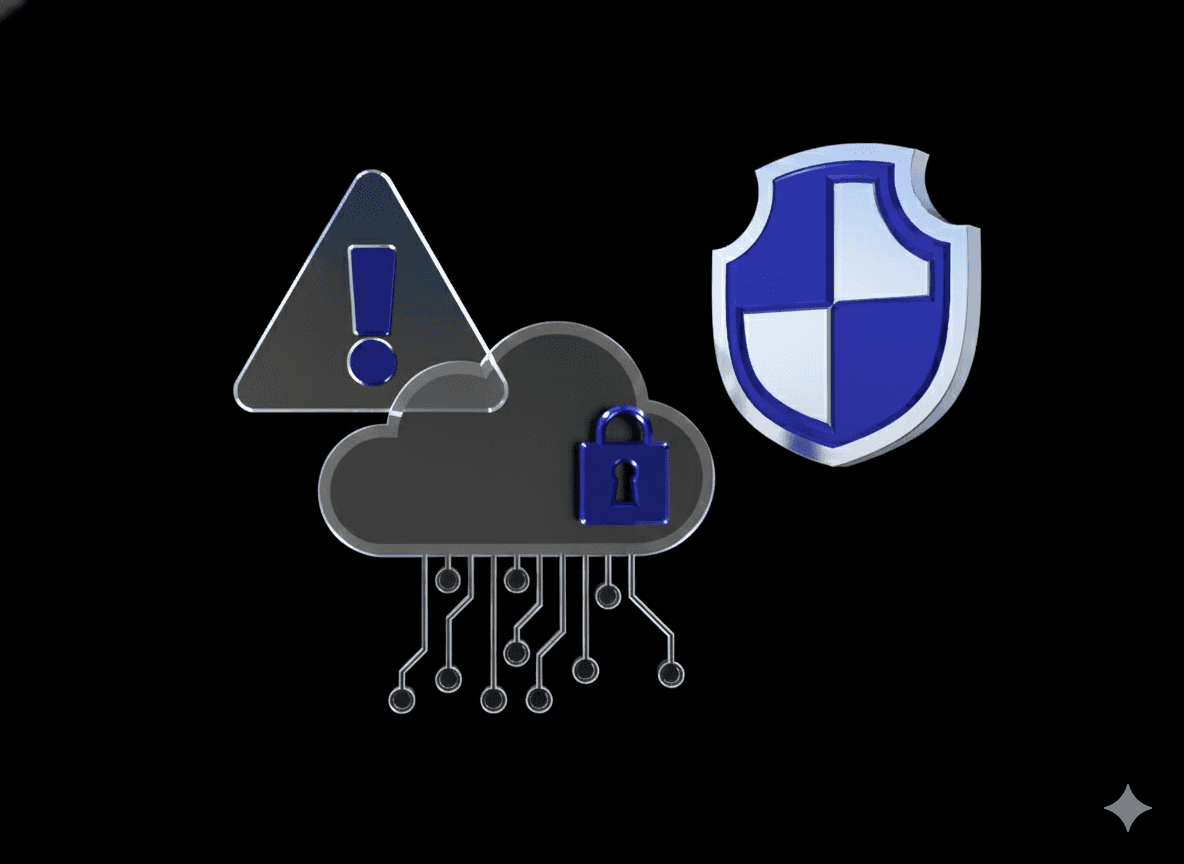
Seguridad y Cumplimiento
Zapier publica detalles de seguridad empresarial (SOC 2 Tipo II/SOC 3, cifrado, alineación con GDPR/CCPA, opciones de SSO) y proporciona documentación para gobernanza a gran escala. Tenga en cuenta que Zapier divulgó un incidente en 2025 que involucró acceso no autorizado a ciertos repositorios de código; según se informa, los sistemas de producción no se vieron afectados, pero se pudo haber accedido a alguna información de clientes copiada para depuración.
Beam AI centraliza la supervisión de los agentes de IA, con estándares de cifrado documentados y manejo de incidentes, respaldando la auditabilidad y las expectativas de manejo de datos para equipos empresariales. Se detallan más detalles en la página de seguridad de Beam AI.
Caso práctico
Descripción General de Precios: Beam AI vs. Zapier
Zapier utiliza niveles fijos (Gratis, Profesional, Equipo, Empresa) con límites de plan vinculados a tareas, usuarios y características avanzadas. Este modelo es predecible pero puede escalar costos con el volumen de tareas.
Beam AI evalúa cada caso de uso individualmente, por lo que los clientes pagan por lo que realmente utilizan. Eso se alinea con la automatización agéntica, donde las cargas de trabajo, modelos e integraciones varían por proceso y el ROI se mide por resultado en lugar de por tarea genérica. Tenga en cuenta que el modelo comercial exacto depende del alcance y los requisitos.
Agente S
Ideal para casos de uso más sencillos, ya que ofrece una integración básica y una menor complejidad.
990 $/mes

AGENTE M
Diseñado para necesidades más avanzadas, con múltiples integraciones de base y complejidad moderada.
$1990/mes

Caso práctico
¿Qué plataforma se adapta a su flujo de trabajo?
Si tu objetivo es conectar aplicaciones populares rápidamente con pasos deterministas y orientados a eventos, elige Zapier. Es ideal para equipos que estandarizan automatizaciones de aplicaciones simples a moderadamente complejas sin necesidad de intervención de ingeniería.
Si necesitas automatización de IA que razone sobre datos, invoque herramientas, aplique políticas y mejore a medida que se ejecuta, a lo largo de múltiples procesos, elige la plataforma agéntica de Beam AI. Operacionalizarás agentes de IA con gobernanza y observabilidad integradas, luego escalarás de un proceso a muchos utilizando la misma base.