Caso práctico
UI Path frente a Beam AI: ¿Cuál es mejor?

Elegir entre Beam AI y UiPath es, en última instancia, una cuestión de dónde se encuentra en el viaje desde la automatización programada hasta los agentes de IA adaptativos. En una comparación, UiPath representa un conjunto de soluciones maduras de RPA y automatización empresarial que ha evolucionado hacia la automatización agencial, mientras que Beam AI está diseñado de forma nativa en torno a agentes de IA y flujos de trabajo agenciales. Los desarrolladores y arquitectos que crecieron con bots, colas y orquestadores ahora necesitan una plataforma que trate a los agentes, herramientas y contextos como ciudadanos de primera clase. Esta guía recorre cómo ambas plataformas abordan la construcción, ejecución y mejora de la automatización para que pueda decidir cuál es la mejor opción para su stack.
Caso práctico
¿Cuál es la diferencia clave entre UiPath y Beam AI?
UiPath: UiPath es conocido principalmente como un líder en RPA y una suite de automatización empresarial que orquesta robots de software, flujos de trabajo y servicios de IA a través de sistemas de escritorio, web y empresariales.
Beam AI: Beam AI es una plataforma de automatización agéntica que permite a las empresas diseñar, implementar y gestionar inteligencia artificial en el servicio al cliente, operaciones y flujos de trabajo de back-office, con Agentes de IA en el núcleo de la plataforma.
Caso práctico
Capacidades de ambas plataformas
Ambas plataformas ayudan a las empresas a automatizar trabajos complejos, pero provienen de linajes diferentes:
Desarrollo y Operación de IA
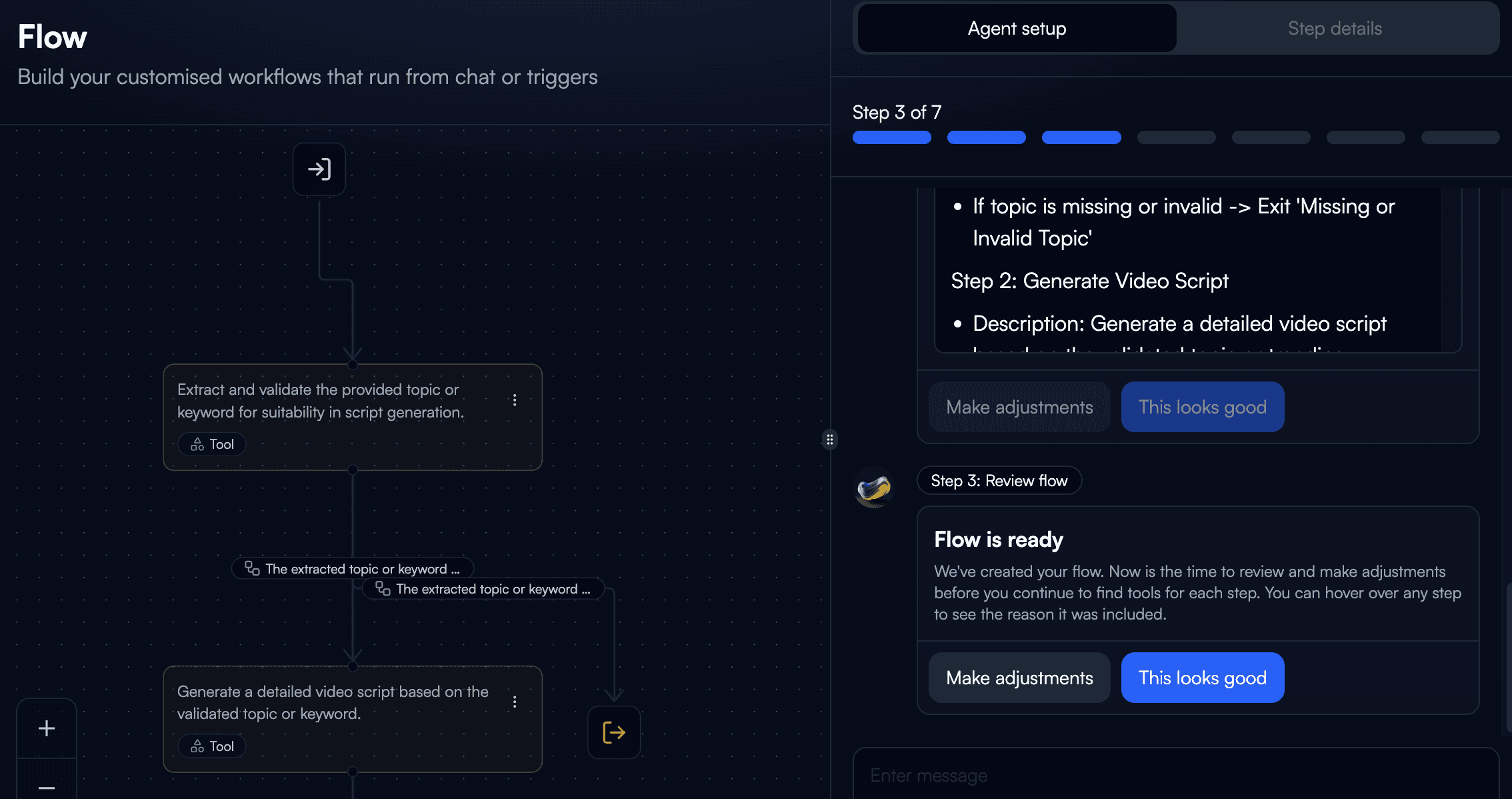
UiPath las automatizaciones suelen diseñarse en herramientas de Studio, combinando flujos de RPA con componentes de IA como comprensión de documentos y modelos de aprendizaje automático; las versiones más recientes añaden constructos agénicos, pero los robots y los guiones de tareas siguen predominando.
Beam AI considera los agentes de IA como el principal componente: los equipos definen el propósito, herramientas y rutas de escalamiento, luego los integran en flujos de trabajo agénicos, con creación, orquestación, memoria e integraciones en una única plataforma para despliegue en dominios cruzados.
Mejora con el tiempo
UiPath ofrece funciones de monitoreo, análisis e IA que reentrenan modelos o refinen flujos, permitiendo una mejora incremental en escenarios de RPA de alto volumen.
Beam AI incorpora la observabilidad y evaluación directamente en la capa agéntica, para que los equipos puedan inspeccionar trazas, reproducir escenarios y evolucionar prompts, herramientas y estrategias de enrutamiento mientras permanecen alineados con la gobernanza empresarial.

Integraciones y Ecosistema
UiPath ofrece un amplio mercado de conectores para aplicaciones empresariales, escritorios y sistemas heredados, con especial fortaleza en donde la automatización de interfaces y RPA clásico aún son necesarios.
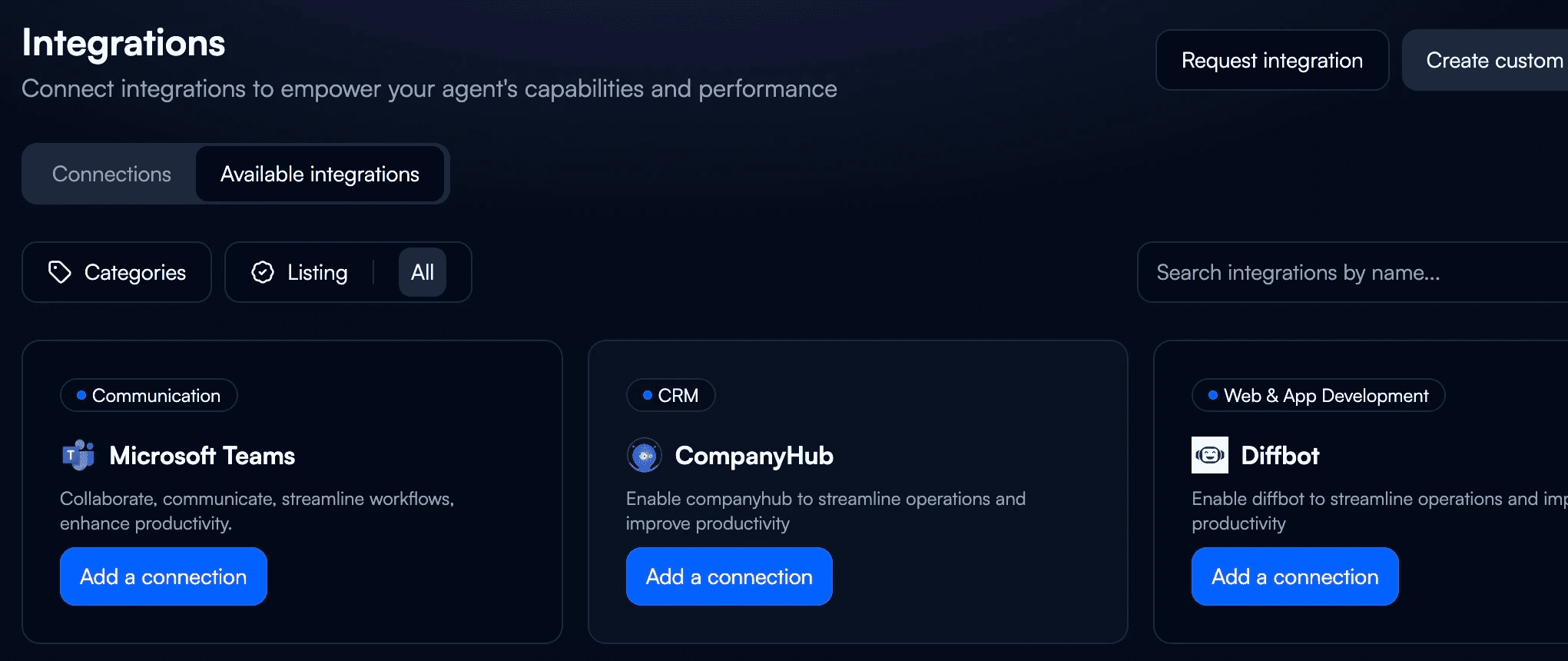
Beam AI enfatiza las integraciones a nivel de API para agentes de IA con herramientas como Slack, Zendesk, Salesforce y Shopify, como se muestra en el centro de Integraciones, y Agentic Insights explora cómo extender esos agentes a operaciones del mundo real.
Tiempo hasta el Primer Despliegue
Para UiPath, el tiempo hasta el primer despliegue es más rápido cuando las organizaciones ya operan RPA y pueden extender las prácticas establecidas; los nuevos equipos primero deben aprender Studio, gestión de robots y orquestación.
Beam AI está diseñado para un comienzo rápido: plantillas de agentes, un generador de flujos de trabajo agéntico y un plano de control unificado ayudan a los equipos a pasar rápidamente de la idea a la ejecución, y luego consolidar los flujos con herramientas personalizadas, estrategias de memoria y evaluación a medida que escalan.

Seguridad y Cumplimiento
UiPath se posiciona como un proveedor de automatización empresarial, con certificaciones, controles de gobernanza y opciones de implementación que mantienen la actividad de robots e IA auditable y conforme.
Beam AI centraliza la supervisión con controles basados en roles, registros y rastros de auditoría para cada acción; los equipos de seguridad y cumplimiento pueden ver el acceso a los datos, los permisos de herramientas y las rutas de escalamiento en un solo lugar, con más detalle en nuestra página de Seguridad.
Caso práctico
Resumen de Precios: Beam AI frente a UiPath
UiPath generalmente sigue un modelo de licenciamiento basado en usuarios nominados, capacidad de robots y niveles de productos que agrupan diferentes capacidades en paquetes fijos. Esto coincide con la adquisición tradicional de RPA, donde las organizaciones pronostican volúmenes de robots y asignan presupuestos de automatización en torno a ellos.
Beam AI adopta un enfoque más flexible y basado en el valor. En lugar de forzar a cada equipo en el mismo nivel, Beam evalúa cada caso de uso de automatización agéntica individualmente, para que los clientes paguen de acuerdo con las cargas de trabajo reales y la complejidad de sus integraciones y modelos. Esto se alinea naturalmente con la automatización agéntica, donde los volúmenes y el uso de modelos pueden variar significativamente a través de procesos sin necesidad de rediseñar la estructura comercial cada vez.


Caso práctico
¿Qué plataforma se adapta a su flujo de trabajo?
Si su organización ya ejecuta programas de RPA a gran escala, depende de la automatización de escritorio y desea ampliar esa base con IA, UiPath ofrece un ecosistema robusto y familiar. Es particularmente atractivo donde los sistemas heredados y la escritura de la interfaz de usuario siguen siendo centrales para la estrategia de automatización.
Si está diseñando una automatización completamente nueva, desea agentes de IA que puedan razonar a través de sistemas y prefiere una plataforma que trate la orquestación de agentes, la memoria y las integraciones como bloques de construcción fundamentales, Beam AI probablemente sea una mejor opción. Le ofrece un entorno flexible pero con opiniones para construir, ejecutar y perfeccionar inteligencia artificial que se sitúa en el corazón de su modelo operativo mientras se mantiene alineado con las expectativas de seguridad y gobierno empresarial.
Para explorar cómo nuestro concepto podría adaptarse a sus flujos de trabajo específicos, puede solicitar una presentación personalizada de la plataforma.