Caso práctico
Beam AI frente a Relevance AI

La elección entre Beam AI y Relevance AI a menudo se reduce a si prefieres herramientas de punto para desarrolladores o una plataforma agentica unificada que estandariza los flujos de trabajo agenticos de extremo a extremo. Ambos te permiten construir agentes de IA y automatizar tareas, pero el camino para operar, gobernar y escalar esos agentes difiere. A continuación, desglosamos capacidades, tiempo-valor, integraciones, seguridad y precios para que los fundadores y operadores puedan alinear la decisión con objetivos empresariales concretos.
Caso práctico
¿Cuál es la diferencia clave entre Relevance AI y Beam AI?
Relevance AI proporciona un entorno de bajo o ningún código para 'reclutar' trabajadores de IA utilizando un Constructor de Flujo, desencadenantes y herramientas, con el objetivo de conectar rápidamente agentes a aplicaciones y lógica condicional. Destaca una amplia cobertura de integración (Gmail, Slack, HubSpot, Notion, etc.) y cumple con SOC 2 Tipo II.
Beam AI es una plataforma agentic para construir, desplegar y gestionar centralmente agentes de IA de calidad de producción en procesos empresariales—combinando diseño de agentes, orquestación y gobernanza con integraciones de primera clase y una base de seguridad/legal.
Caso práctico
Capacidades de ambas plataformas
Evaluamos Beam AI frente a Relevance AI en cómo los equipos diseñan agentes, los operan en producción, mejoran el rendimiento con el tiempo, se conectan a un sistema más amplio y alcanzan el primer valor rápidamente, sin sacrificar el cumplimiento normativo.
Desarrollo y Operación de IA
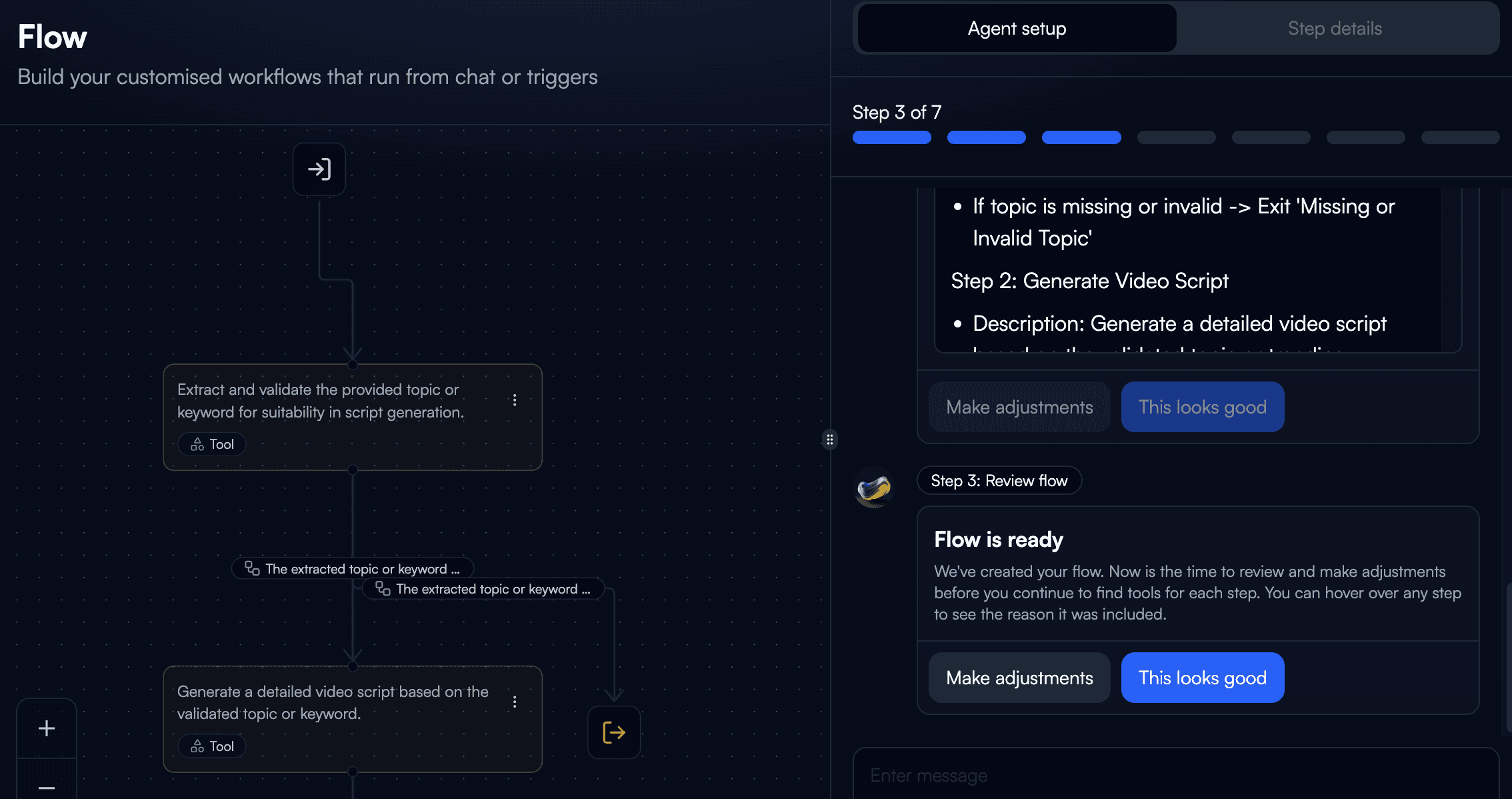
Relevance AI: Los equipos configuran agentes en un Creador de Flujos con ramas condicionales, desencadenantes (incluyendo desencadenantes de API) y herramientas de aplicaciones. Este enfoque es fuerte para la creación rápida de prototipos y la asignación de tareas a través de aplicaciones.
Beam AI: Proporciona una plataforma de agentes de IA que enfatiza el control central: prototipe agentes, luego promueva a producción con gobernanza y supervisión para múltiples procesos y equipos.
Mejora con el tiempo
Relevancia AI: La iteración ocurre refinando flujos, desencadenantes e instrucciones dentro del constructor; admite ediciones modulares y expansión a sub-agentes.
Beam AI: Se centra en flujos de trabajo de agentes repetibles y supervisión centralizada para que puedas estandarizar comportamientos, auditar ejecuciones y desarrollar agentes de manera metódica a medida que asumen más del proceso.

Integraciones y Ecosistema
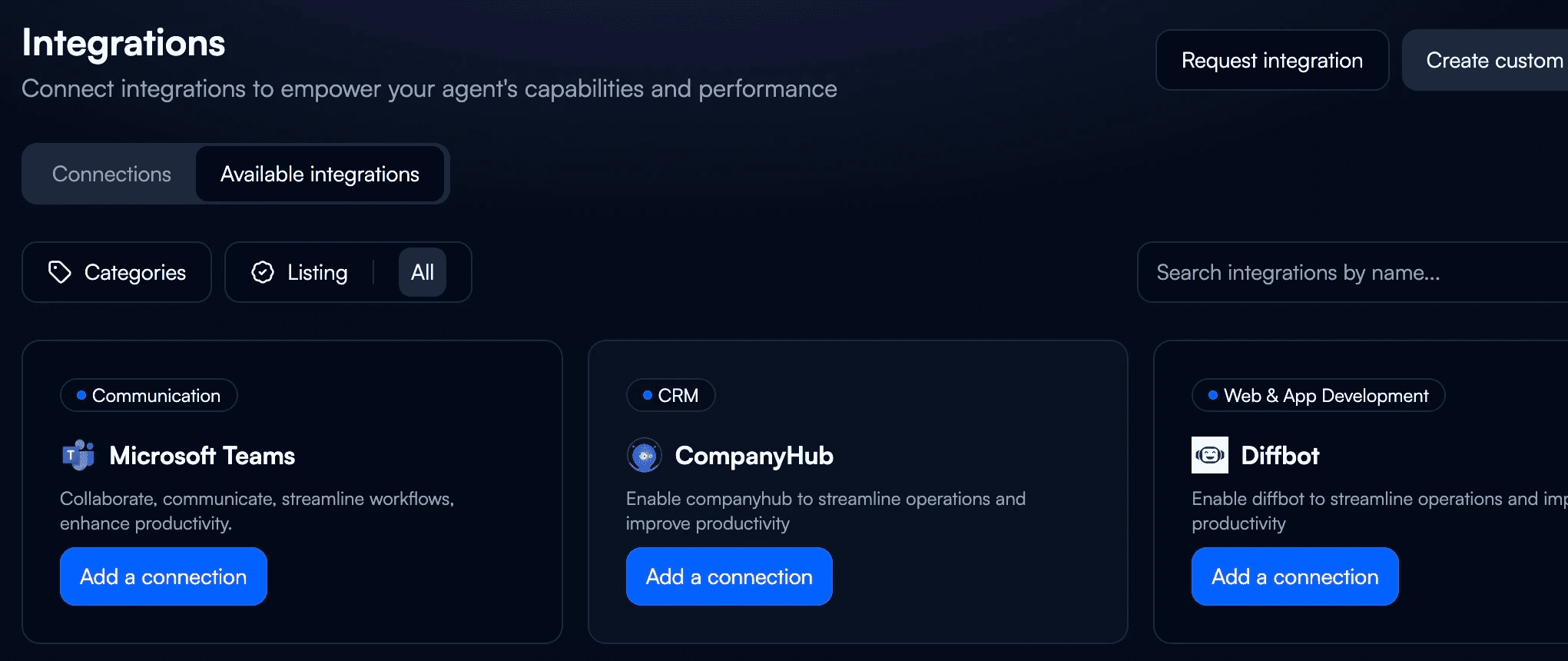
Relevance AI: Ofrece más de “2,000” integraciones además de activadores de eventos, permitiendo a los agentes actuar con un amplio conjunto de herramientas.
Beam AI: Ofrece un catálogo de integraciones en crecimiento, diseñado para una automatización confiable en pilas empresariales existentes (CRM, soporte, finanzas, ITSM, comunicaciones), con plantillas de agentes que se conectan a sistemas comunes de inmediato.
Tiempo hasta el Primer Despliegue
Relevancia AI: Puede comenzar desde agentes pre-construidos en un Marketplace y personalizar a través de componentes sin código—útil para pilotos rápidos.
Beam AI: Ofrece agentes de IA y plantillas, además de una experiencia guiada en la plataforma; los equipos generalmente pasan de un piloto definido a producción dentro del mismo plano de control.

Seguridad y Cumplimiento
Relevance AI: Declara públicamente el cumplimiento de SOC 2 Tipo II y documenta su postura en seguridad y el Centro de Confianza.
Beam AI: Documenta la encriptación (TLS/AES-256) y los controles de procesamiento de datos en su página de seguridad y datos, apoyando la supervisión centralizada de agentes de IA alineados a las expectativas de manejo de datos empresariales.
¿Desea un contexto más profundo sobre gobernanza agente, elecciones de modelos y patrones operativos reales? Explore las ideas agenticas de Beam para guías de implementación prácticas y discusiones sobre la pila tecnológica.

Descripción de Precios: Beam AI frente a Relevance AI
Relevancia AI: A partir del 1 de septiembre de 2025, la estructura de precios se divide en dos categorías: Acciones (lo que hacen los agentes) y Créditos de Proveedor (costos de LLM). También puedes usar tus propias claves de modelo. Esto ofrece flexibilidad, pero añade partes móviles a la planificación de costos.
Beam AI: Adopta un enfoque personalizado basado en el valor—Beam evalúa cada caso de uso, de modo que las empresas paguen por lo que realmente utilizan en cargas de trabajo, modelos e integraciones, en lugar de asientos o niveles rígidos. Habla con ventas para obtener una cotización exacta.
Agente S
Ideal para casos de uso más sencillos, ya que ofrece una integración básica y una menor complejidad.
990 $/mes

AGENTE M
Diseñado para necesidades más avanzadas, con múltiples integraciones de base y complejidad moderada.
$1990/mes

Caso práctico
Guía de Decisiones: ¿Qué Plataforma Se Adapta a Su Flujo de Trabajo?
Elige Relevance AI si deseas una configuración rápida y centrada en herramientas para conectar aplicaciones con flujos sin/código mínimo, desencadenantes y una amplia cobertura de integración, ideal para automatizaciones departamentales que reflejan la lógica existente de las aplicaciones.
Elige Beam AI si estás estandarizando la automatización AI a escala de empresa: múltiples flujos de trabajo agénticos, control centralizado y una plataforma diseñada para operar agentes de IA como una fuerza laboral confiable a través de funciones con supervisión clara y profundidad de integración.