Platform
Beam AI vs. Salesforce Agentforce

Choosing between two powerful approaches to enterprise AI can be confusing. On one hand, Agentforce sits deeply inside the Salesforce universe and promises familiar controls. On the other, Beam AI brings an open, agentic platform mindset for end-to-end AI automation across your stack.
This guide compares Beam AI vs. Salesforce Agentforce to help leaders decide which model fits their agentic workflows and governance needs.
Comparison
What Is the Key Difference Between Salesforce Agentforce and Beam AI?
At a glance, both options help you build autonomous assistants. The core difference lies in platform posture: a CRM-centric agent layer versus an agentic platform designed to span systems:
Salesforce Agentforce: Agentforce is Salesforce’s enterprise agent platform designed to plan, reason and act against your Salesforce data, automations and APIs, with lifecycle tooling to build, test, deploy and manage agents plus protection via the Einstein Trust Layer.
Beam AI: Beam is an AI/agentic platform to create, deploy and operate AI agents across business processes with multi-agent orchestration, Tools and Integrations beyond a single ecosystem. See the AI Agents overview for how agents plan work, call tools and run production workflows.
Capabilities
Capabilities Of Both Platforms
Below we evaluate each platform on the criteria that typically matter to engineering, operations and compliance teams:
Building and Operating AI
Teams can assemble agents that connect to data, leverage Salesforce automations and call external APIs. Salesforce provides an end-to-end agent lifecycle from build to orchestration inside its stack.
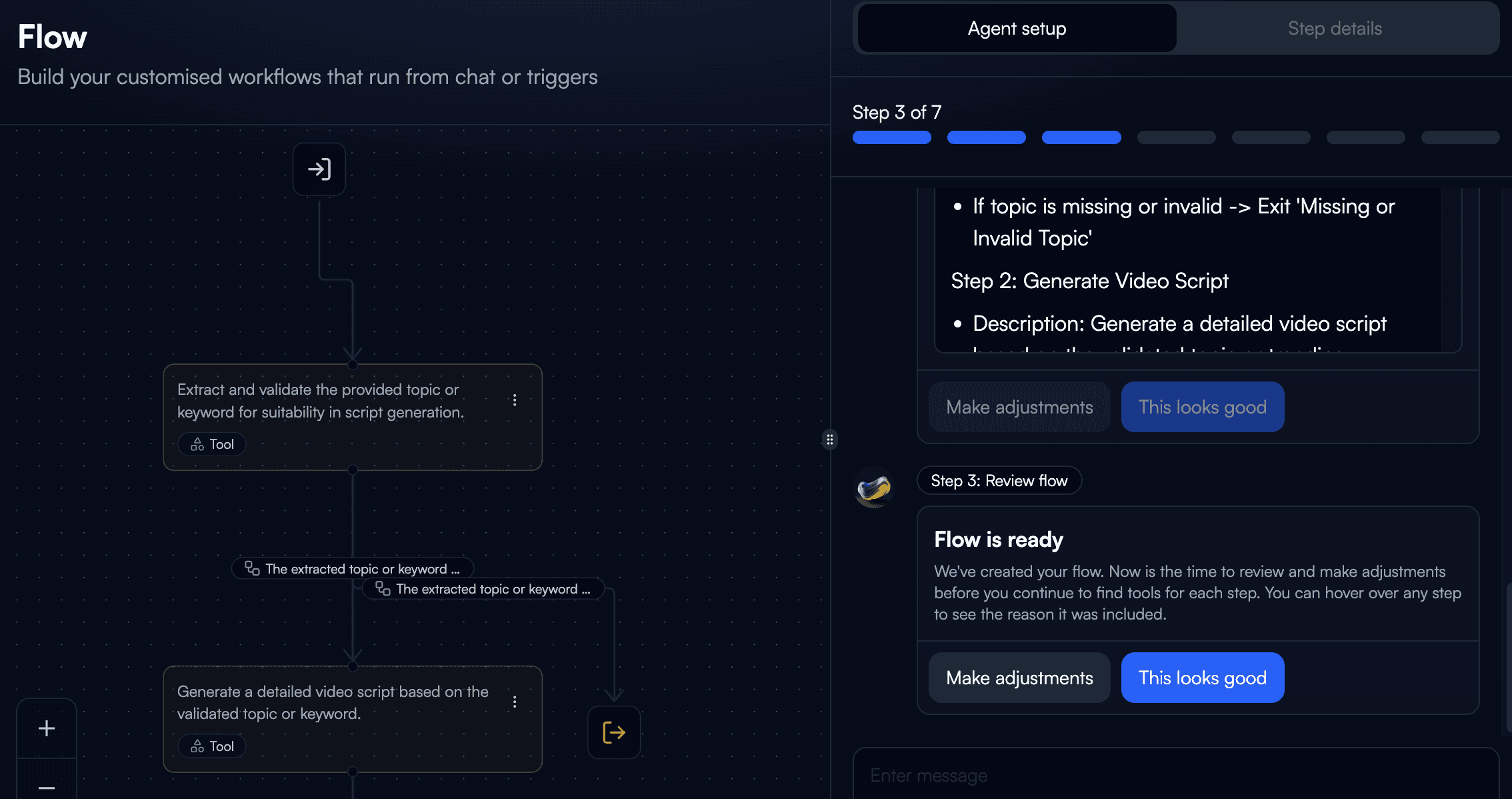
Beam AI: Teams prototype, version and run AI agents that coordinate actions across multiple systems. Agents combine tools, memory, and integrations to execute complex, cross-app processes.
Improvement over Time
Salesforce emphasizes full lifecycle management and governance, including testing, deployment and controls through the Einstein Trust Layer, which supports safe LLM usage and policy enforcement.
Beam centralizes observability of agents with a platform view for tasks, history, and tuning and provides Academy resources for iterative improvement in production. The difference: AI Agents really improve over time and learn, while you use them.

Integrations and Ecosystem
Agentforce: Natively optimized for Salesforce apps and data; can tap flows, automations, and APIs to reach external systems.
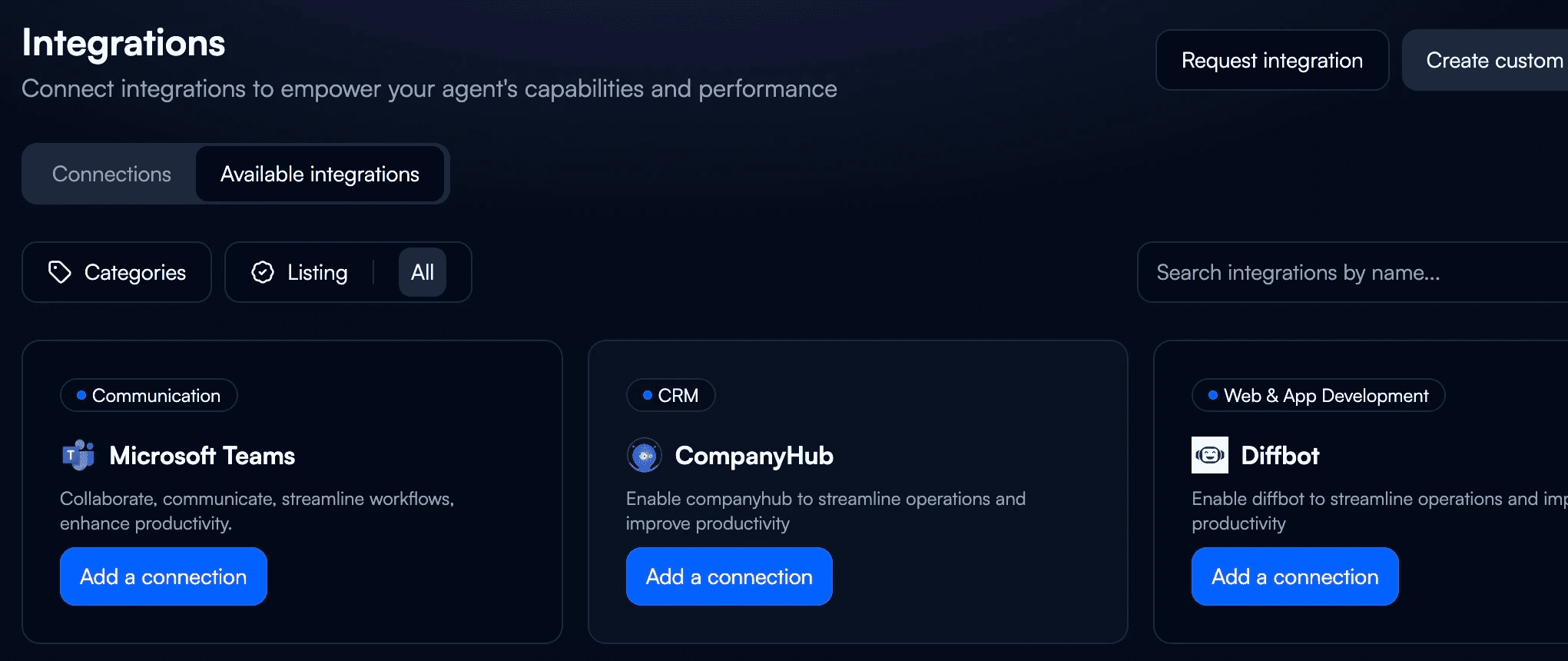
Beam AI: Broad Integrations catalog for CRM, service, commerce, marketing and developer tools, including Slack, Zendesk, Shopify and even Salesforce, enabling agentic workflows across your full stack.
Time to First Deployment
If your source-of-truth lives in Salesforce, Agentforce speeds up first value by building near the data and automations your teams already use. Get-started resources are documented in the Agentforce Guide.
Beam AI: Organizations can request access and leverage templates and Beam Academy guides to stand up first agents quickly across non-Salesforce systems as well.

Security and Compliance
The Einstein Trust Layer provides guardrails for data privacy, masking, zero-retention and policy controls when interfacing with LLMs in Salesforce.
Beam centralizes oversight for AI agents, aligns with enterprise data handling, and documents security controls in its Security and Data Security policies. For regulated teams, Beam presents EU hosting, GDPR alignment and independent certifications such as ISO 27001 and SOC 2 Type II.
Pricing
Pricing Overview: Beam AI vs. Salesforce Agentforce
Salesforce offers multiple models, including conversation-based pricing, Flex Credits and per-user licensing. This accommodates different deployment patterns inside the Salesforce ecosystem.
Beam evaluates each use case individually so you only pay for what you actually use. This matches agentic automation where workloads, integrations, and models vary by process. Pricing is value-based rather than forcing one fixed tier across dissimilar workflows. (Talk to us via our onboarding call!)
Usage
Pay according to the number of tokens you consume; makes it easy to scale usage.

Custom
Know your usage, task frequency and volume? Create your bespoke plan with our help..

Comparison
Decision Guide: Which Platform Fits Your Workflow?
If your business is Salesforce-first and most of your operational data and automations live in that cloud, Agentforce offers a direct path with native governance and an opinionated stack.
If you need an agentic platform to orchestrate AI across many systems, unify non-Salesforce apps, and scale agentic workflows with broad integrations and observability, Beam AI is likely the better fit.